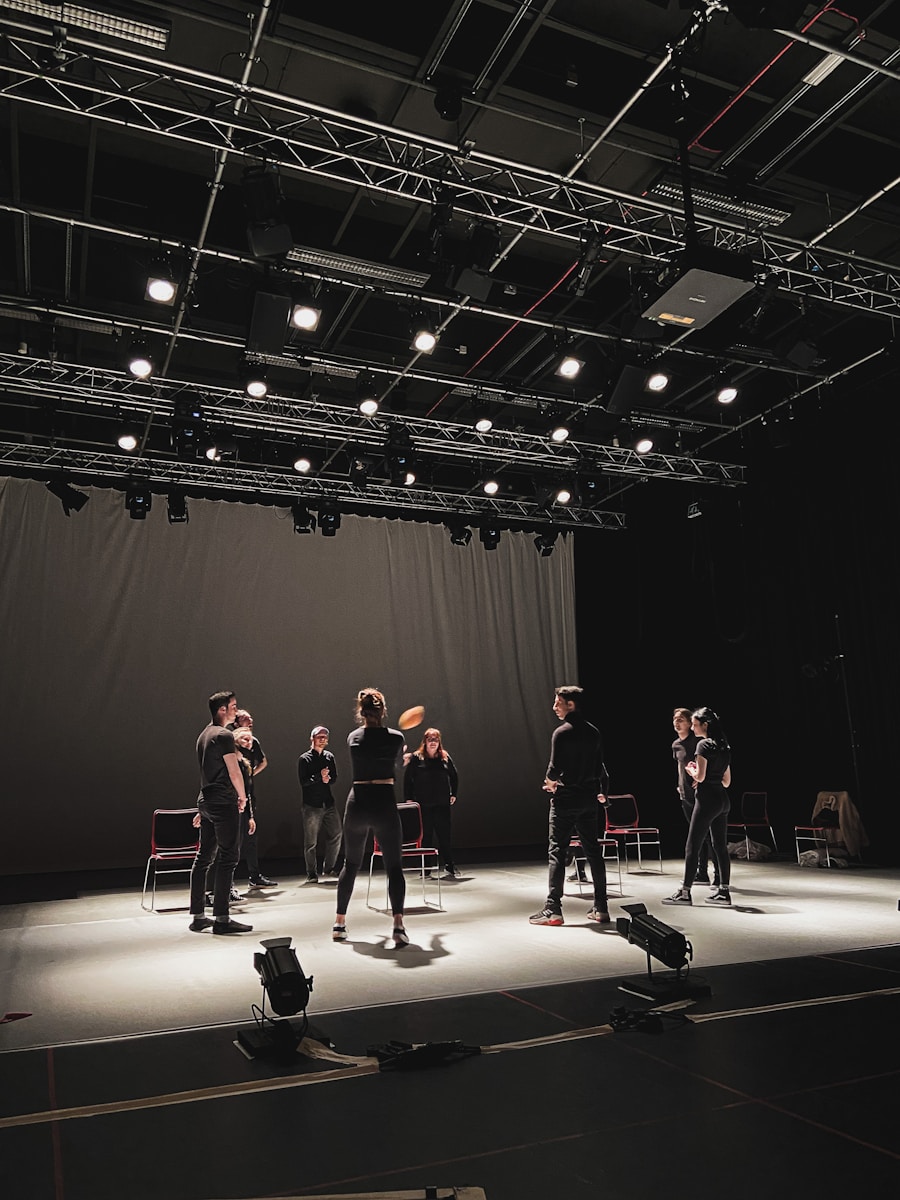
Typically when planning to incorporate drama into lessons I think to weave it into Social Studies and English language Arts because it helps students develop their reading and writing skills while being able to cover other classroom content. Recently I used drama in science which was such a great experience. We pretended to have a town hall meeting and each of us had roles such as the mayor, a biologist, local community members, tourists and more! Each of us presented a 5-7 argument at the town hall. Then ended the debate with a vote. Our topic of conversation was whether or not to create a bylaw to protect the local Western Painted Turtles. Surprisingly, the vote decided to not create a bylaw.
My Wonder
My wonder is how can I use drama in more ways than just debates. Typically when I do drama with students I do readers theatre or some sort of scripted activity. I imagine using science books with characters where my students can role play as the animals in the book. My wonder is can we use drama for activities that do not include animals and characters. For example, how can I use drama to teach the changes of state? I am sure there are plenty of fun ideas that I will continue to research because using drama in science is such a great way to engage students and make learning fun!
Curriculum Connections
Grade 5 Science British Columbia Curriculum Connections
Grade 5 Science Curricular Competencies
Communicate ideas, explanations, and processes in a variety of ways
Express and reflect on personal, shared, or others’ experiences of place
Co-operatively design projects
Generate and introduce new or refined ideas when problem solving
Scavenger hunts are a quick low prep activity that students love. Over the course of this semester we have done a hand full of scavenger hunts and they are so much fun!
How to Integrate Into the Classroom
Scavenger hunts can be done for any subject. In science, the scavenger hunt can be written in words or pictures for any grade level. Create small groups of students and give them a scavenger hunt sheet! In our class we were able to go outside to find items on the list. I highly recommend doing scavenger hunts outside. I believe it is also important to come back together at the end of the scavenger hunt to have a discussion about what students found and anything interesting they discovered during the activity.
Into My Practicum
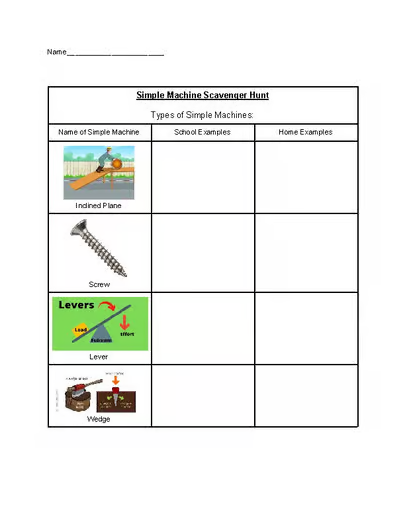
For my grade 5/6 practicum I am doing a simple machines unit. In one of my lesson I am going to do a simple machines scavenger hunt where students have to find specific simple machine around the school. This activity could be used for a final summary of all the simple machines. I have linked below a simple machines scavenger hunt sheet.
I chose to include scavenger hunts in my reflections because I think they are such an easy way to get students engaged in their learning. Students love to be outside, work with friends, and discover new things! I also loved the idea of bringing everyone back together to have a meaningful class discussion. This way students have something they are excited to talk about during discussions. It is also a meaningful way to integrate Ktunaxa and Indigenous content.
Curriculum Connections
Grade 5 British Columbia Curriculum Connections
Curricular Competencies
Identify First Peoples perspectives and knowledge as sources of information
Experience and interpret the local environment
Demonstrate a sustained curiosity about a scientific topic or problem of personal interest
Express and reflect on personal, shared, or others’ experiences of place
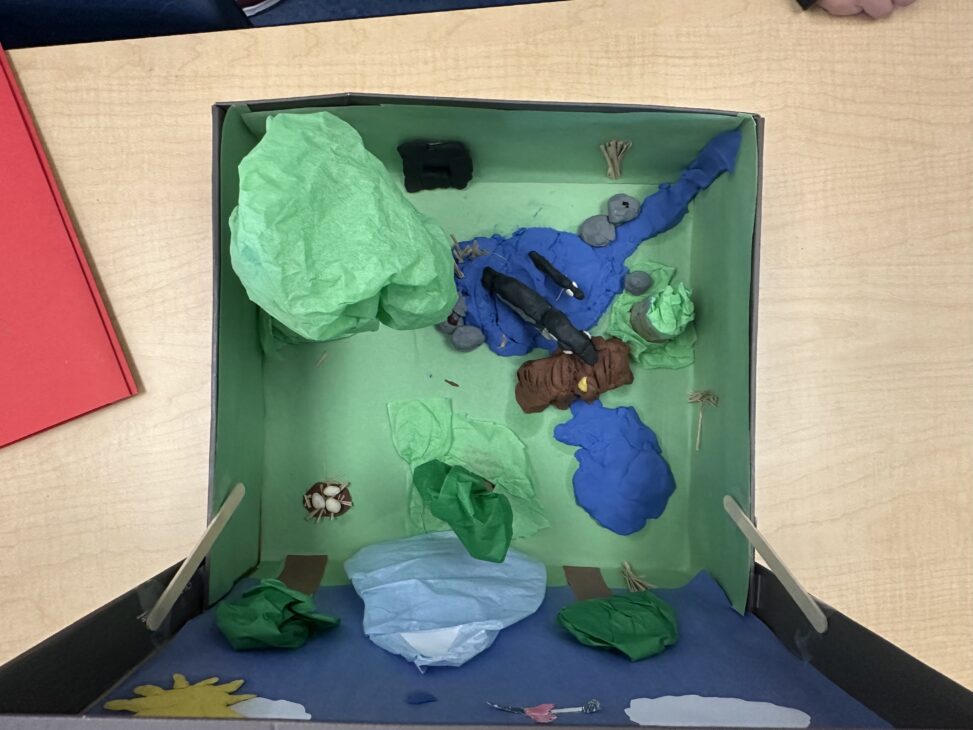
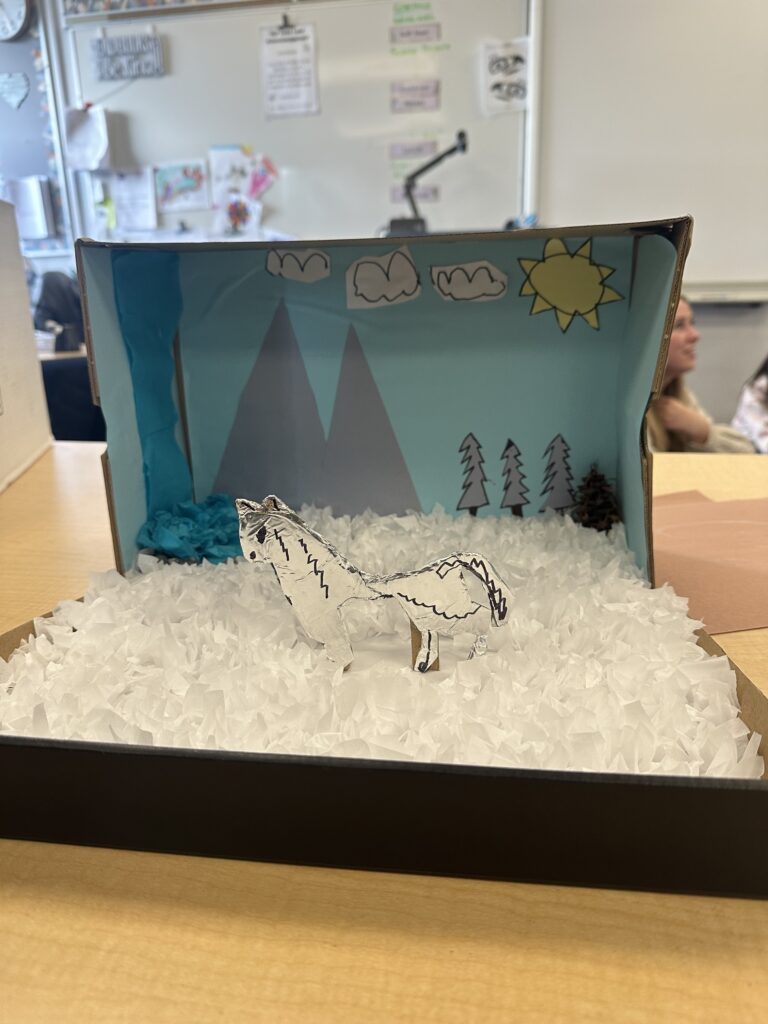
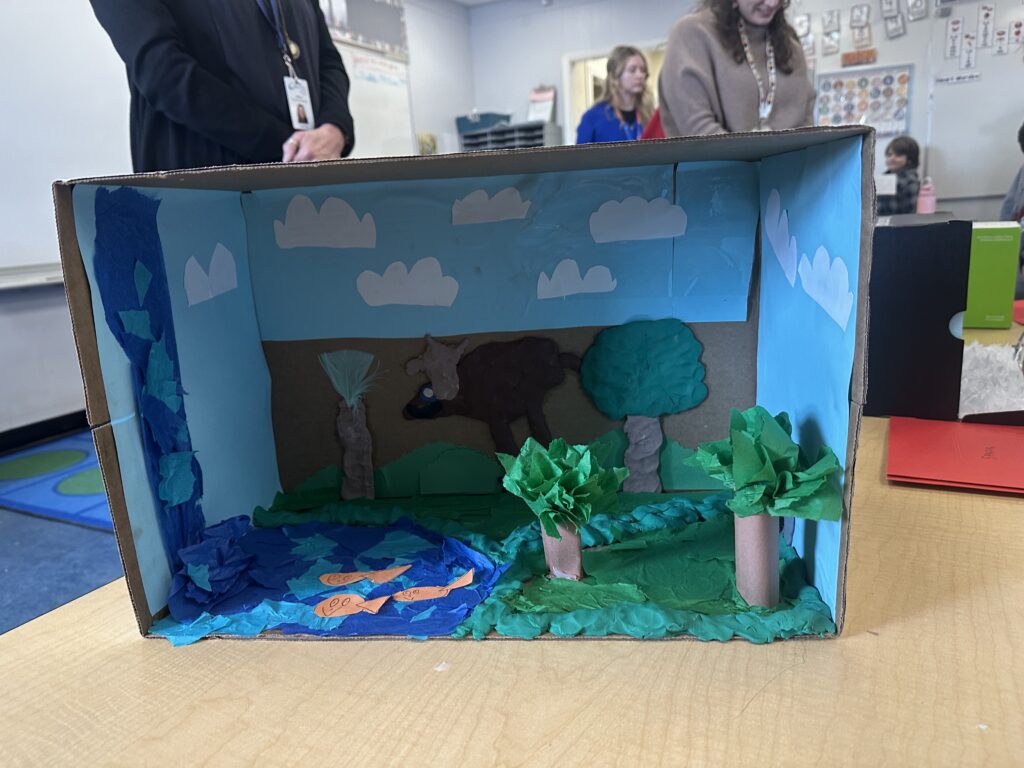
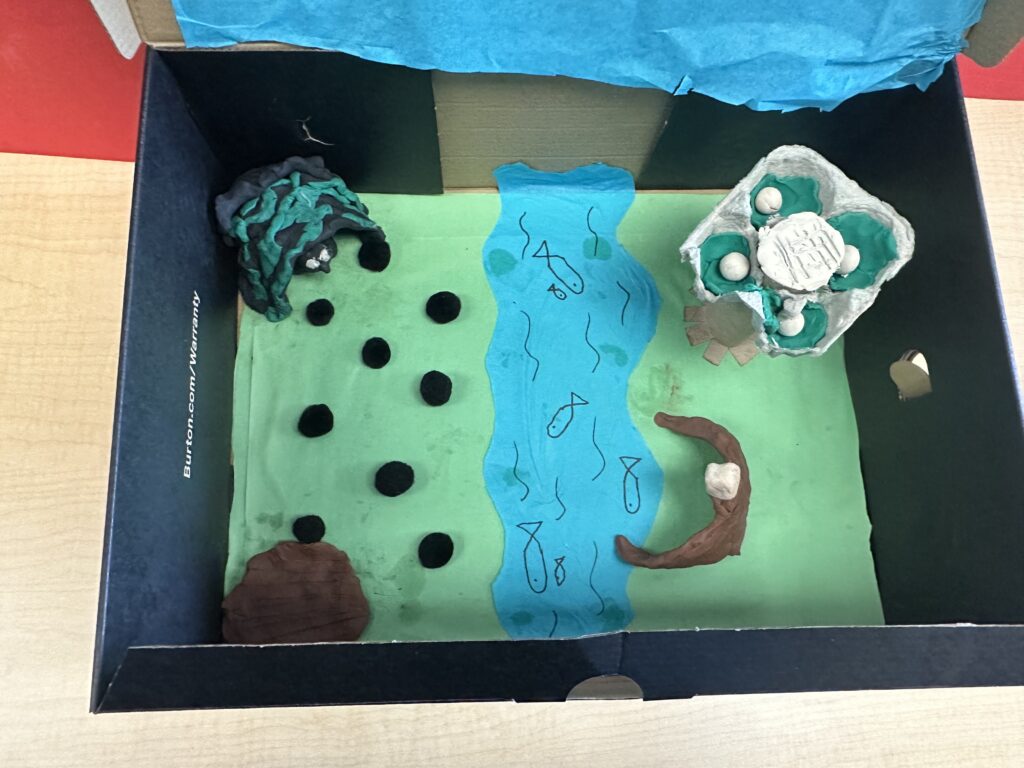
Dioramas are a fun activity where students use boxes to create mini 3D worlds. Most commonly used are shoe boxes. However, any type of small to medium-sized box can be used. Then, materials such as modelling clay, paper, tissue paper, and drawing materials are used to create a mini world inside the box.
What We Did
My university class joined forces with a local grade 2 class to create dioramas. Our inspiration was local animals! Each student chose a book on their animal, and the following week, we came into their class to read their books and get started on our dioramas. My student, I was paired up with, chose the animal wolf. We read a National Geographic on the wolf, and I taught him that the wolf in our local Indigenous language, Ktunaxa, is kakin.
How It Went
Each student did an amazing job on their dioramas! The experience was so much fun and definitely an activity I will do with future students. The student I was paired with told me he was nervous at the beginning but by the end of his project was so proud of the diorama he created. The entire class was engaged the entire time through the project and we completed it in two short sessions!
For Next Time
Though creating dioramas was so much fun the activity was also a lot of work. In the future I would plan to do this activity over the course of a few weeks and scaffold the project. By breaking it into small chunks students won’t become overwhelmed by such a large project. Pairing up a teacher candidate with a grade 2 students was an efficient way to take on a diorama project because of all the extra help.
My Reflection
I chose to reflect on dioramas because at first I was nervous to task grade 2s with such a big project. However, they completely crushed their dioramas! It reminded me to not limit my students. They are capable of so much more than we think! The project was also so much fun and such a creative way to blend science with literacy and bringing in Indigenous content in an authentic and meaningful way.
Curriculum Connections
Grade 2 Science British Columbia Curriculum Connections
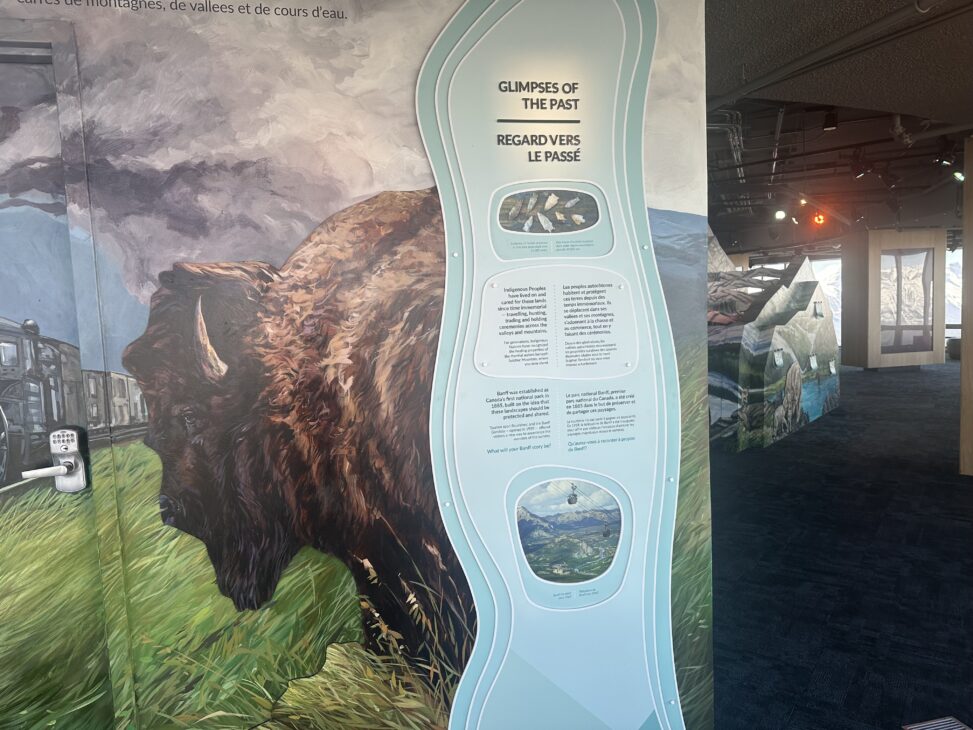
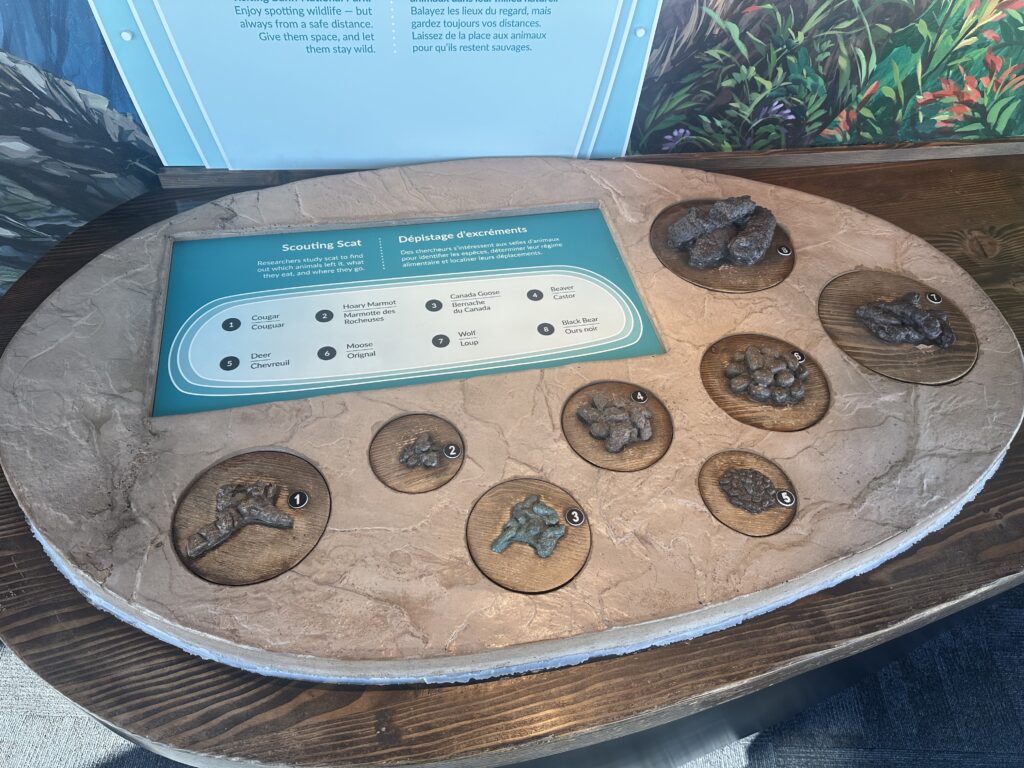
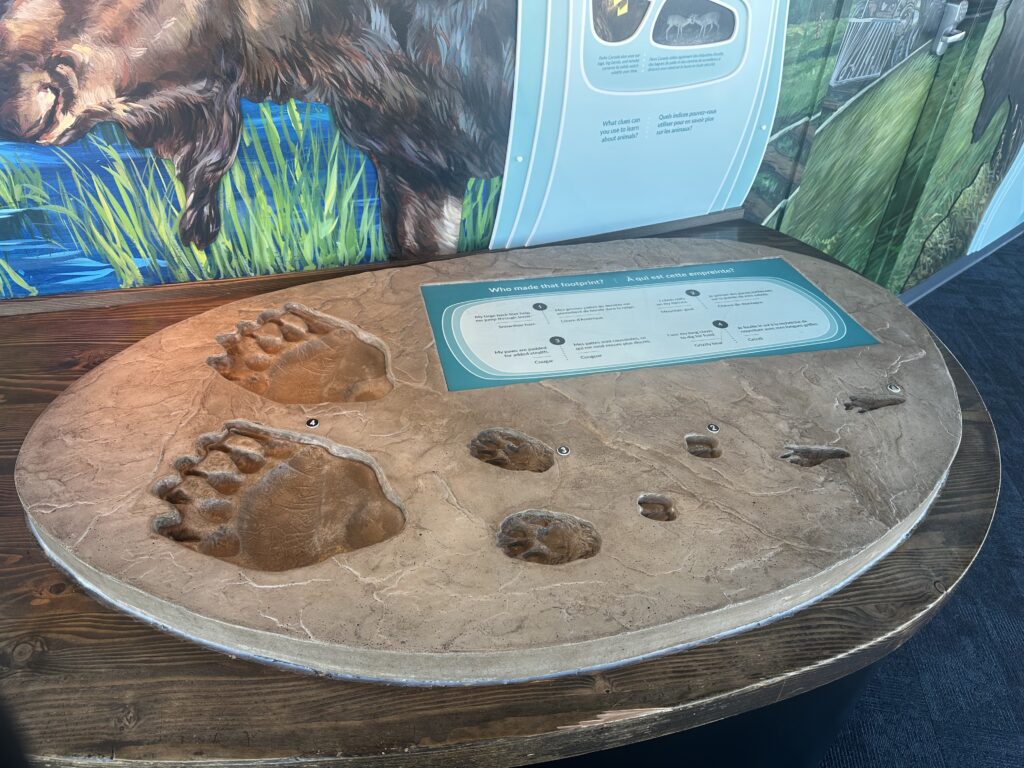
Recently, I went to Banff, Alberta and spent some time at the Gondola Interpretive Center. I wanted to include my experience because the interpretive centre had so many cool visuals that would be fun to show a class. For example, in an activity we prepared for a grade 2 class, we had to find information on an animal each student chose, and one of the facts we included was that animal poop is called scat! While at the interpretive centre, I found a display that showed different animals’ scat. It was cool to see because the animal scat in the display was also from local animals in Cranbrook. The interpretive centre also had fun posters that shared what some signs are that animals are nearby, animal prints, how animals in the park are tracked, and so much more!
Field Trips
My experience going to Banff is not an opportunity I would be able to give my future students, local to Cranbrook, but there are plenty of fun places to go for field trips, such as the Kootenay Trout Hatchery & Visitor Centre, local lakes like Jim Smith, and our local park, the Community Forrest. My AHA moment was part wanting to share my experience in Banff and part wanting to share my excitement to take my future classes on fun science field trips!
Curriculum Connections
I have connected going on a science field trip with a grade 6 class using the following grade 6 science competencies.
Experience and interpret the local environment
Identify First Peoples perspectives and knowledge as sources of information
Demonstrate a sustained curiosity about a scientific topic or problem of personal interest
With support, plan appropriate investigations to answer their questions or solve problems they have identified
Express and reflect on personal, shared, or others’ experiences of place
Field trips are important because they spark students’ curiosity and engagement. Though field trips are extra work for teachers, the experience is necessary because it allows students to interact with a new environment, hear from other educators, and have new experiences!
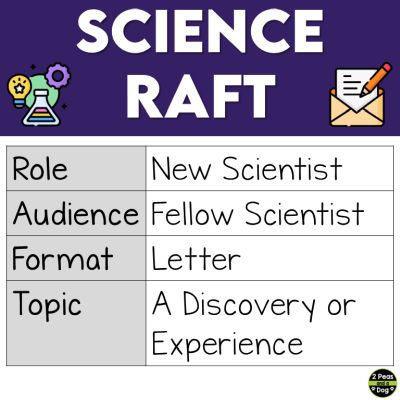
The RAFT strategy has 4 key components: Role, Audience, Format, and Topic. The RAFT strategy is a fun, creative way to engage students with content while helping them think about purpose and perspective in their writing!
What We Did!
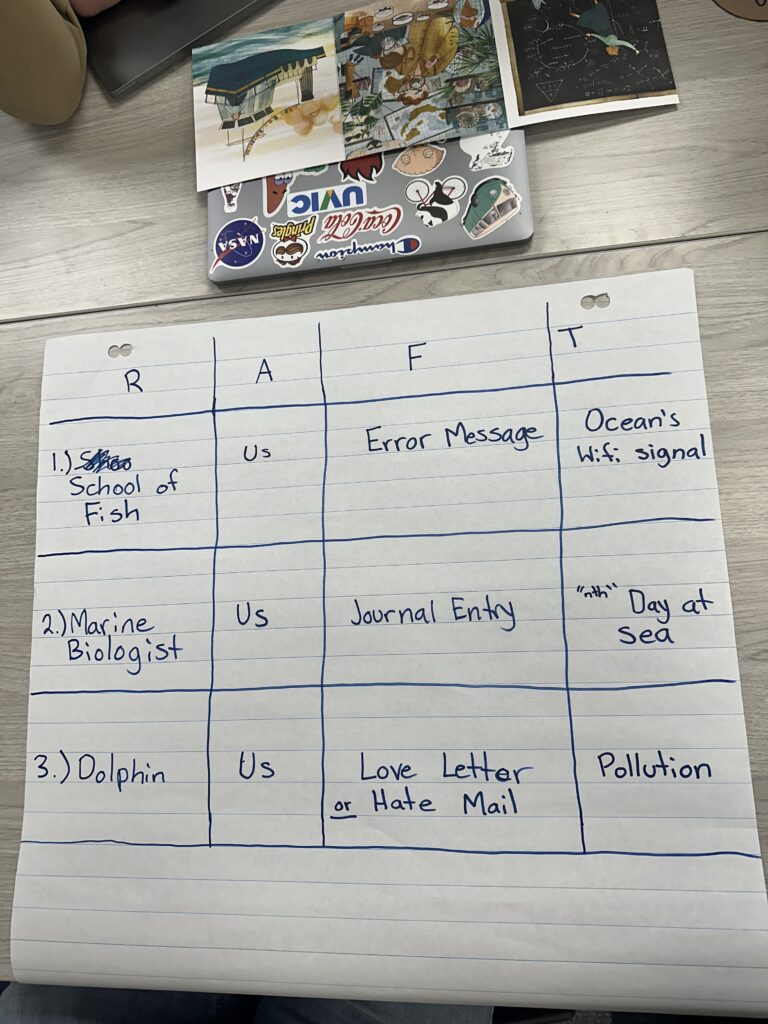
We started the lesson by splitting into small groups of four and finding a space to work. Each group received a piece of anchor chart paper, a marker, and the small picture book Ocean Speaks by Jess Keating and Katie Hickey. On their chart paper, groups created a RAFT organizer and labelled the four headers to match the science RAFT sheet we had modelled earlier. Then, using ideas from Ocean Sparks, each group brainstormed and recorded RAFT ideas connected to the story. My group came up with a school of fish, a marine biologist, and a dolphin for the role and continued generating ideas for the other spaces. See image below.
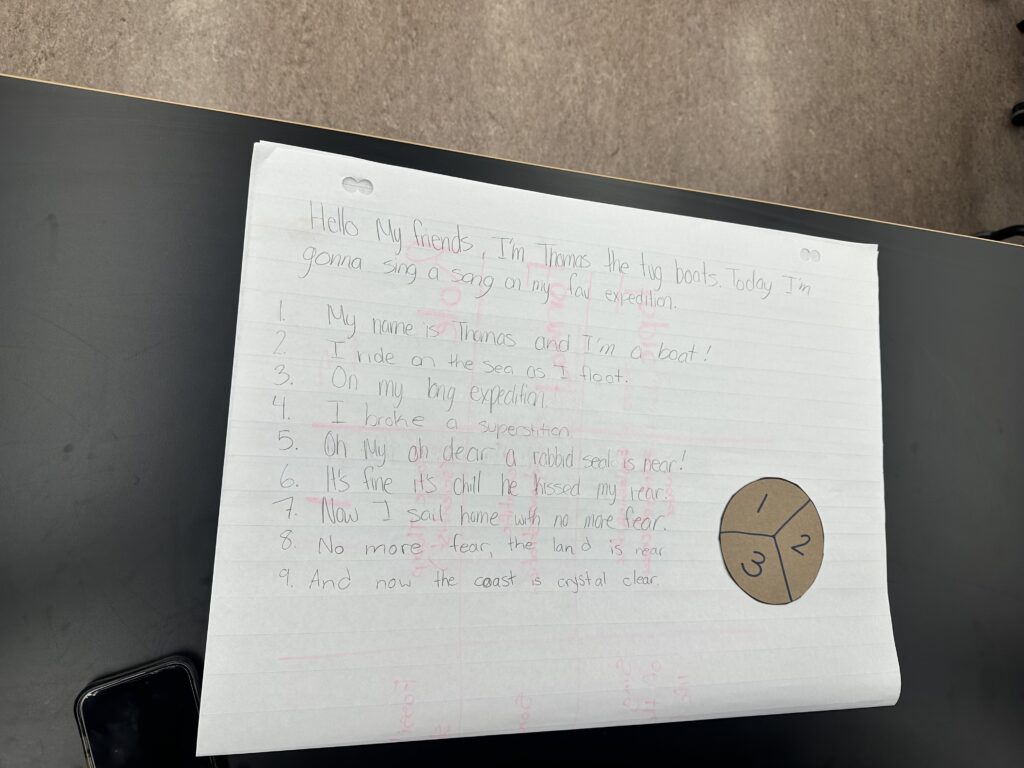
Then, groups swapped RAFT sheets and used the fate of a spinner to decide which topics we landed on. My group ended up with…
R: A boat
A: Us
F: A rap song
T: The best voyage
Then, we finished the lesson by sharing our creations.
Curriculum Connections
Because my practicum is in a grade 6 classroom, I have connected the RAFT strategy to the grade 6 British Columbia curriculum.
Grade 6 Science Competencies
Communicate ideas, explanations, and processes in a variety of ways
Express and reflect on personal, shared, or others’ experiences of place
Generate and introduce new or refined ideas when problem solving
Transfer and apply learning to new situations
Demonstrate a sustained curiosity about a scientific topic or problem of personal interest
Grade 6 ELA Big Idea
Language and text can be a source of creativity and joy.
Grade 6 ELA Competencies
Select and use appropriate features, forms, and genres according to audience, purpose, and message
I chose to include the R.A.F.T. strategy in my reflection because it was my first time working with the strategy, and I really enjoyed the activity. I found the activity fun and engaging, and something I would do with my own students. I love how the activity created space for students to be creative while also engaging with content. The R.A.F.T strategy is versatile and could have many purposes in the classroom. I am excited to bring this activity into my practicum class in the next few months!
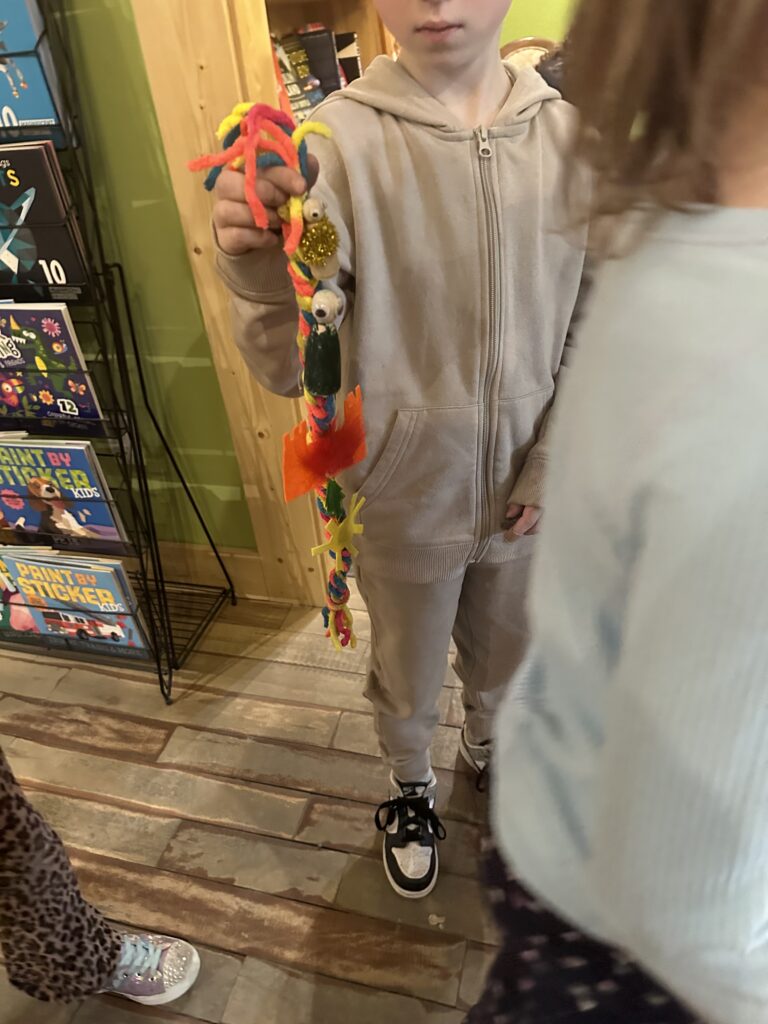
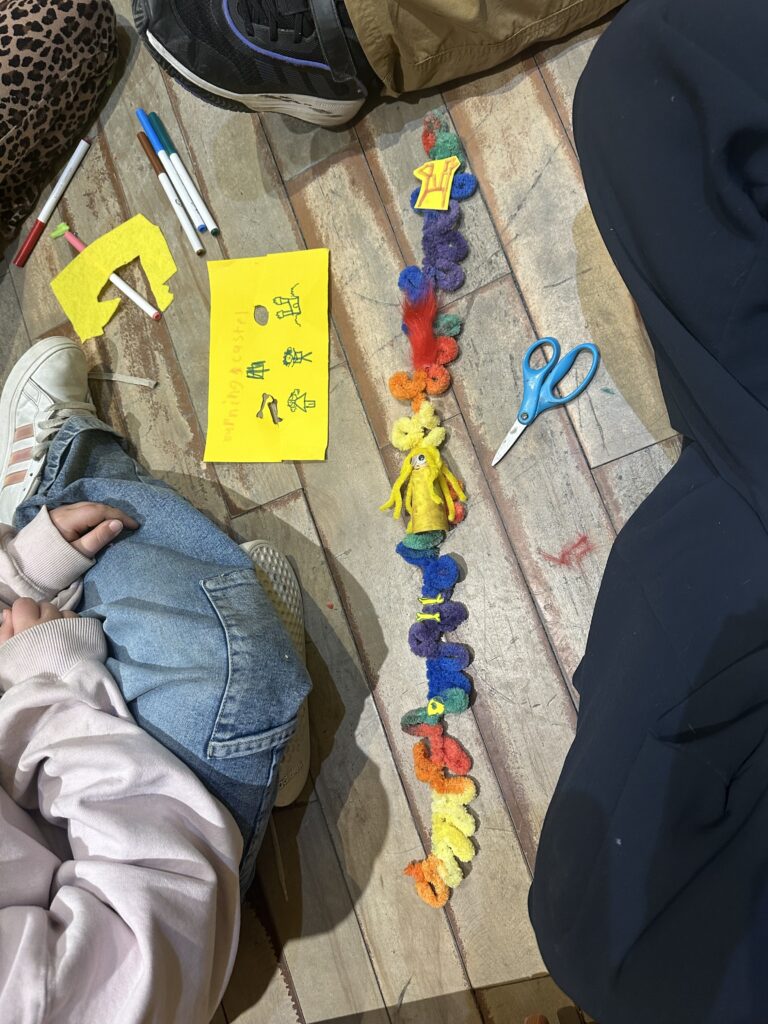
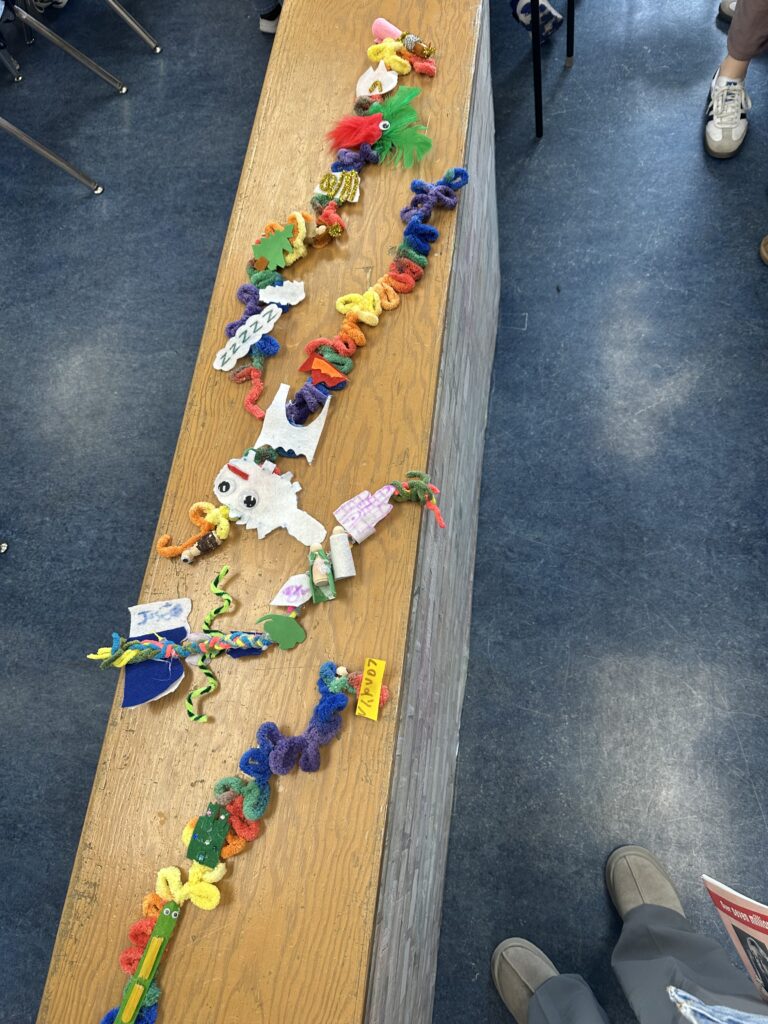
A story vine is a really fun activity where you create a vine using yarn, rope, or anything that is thick enough to be a vine. Then, create artifacts using paper, felt, pictures, etc. that can be glued onto the vine. The purpose of the story vines is to refer to the artifacts glued onto the vine to be able to retell the story without reading the book. This activity is inspired by Sometimes Reading is Hard by Robin Bright, page 91.
How We Prepared
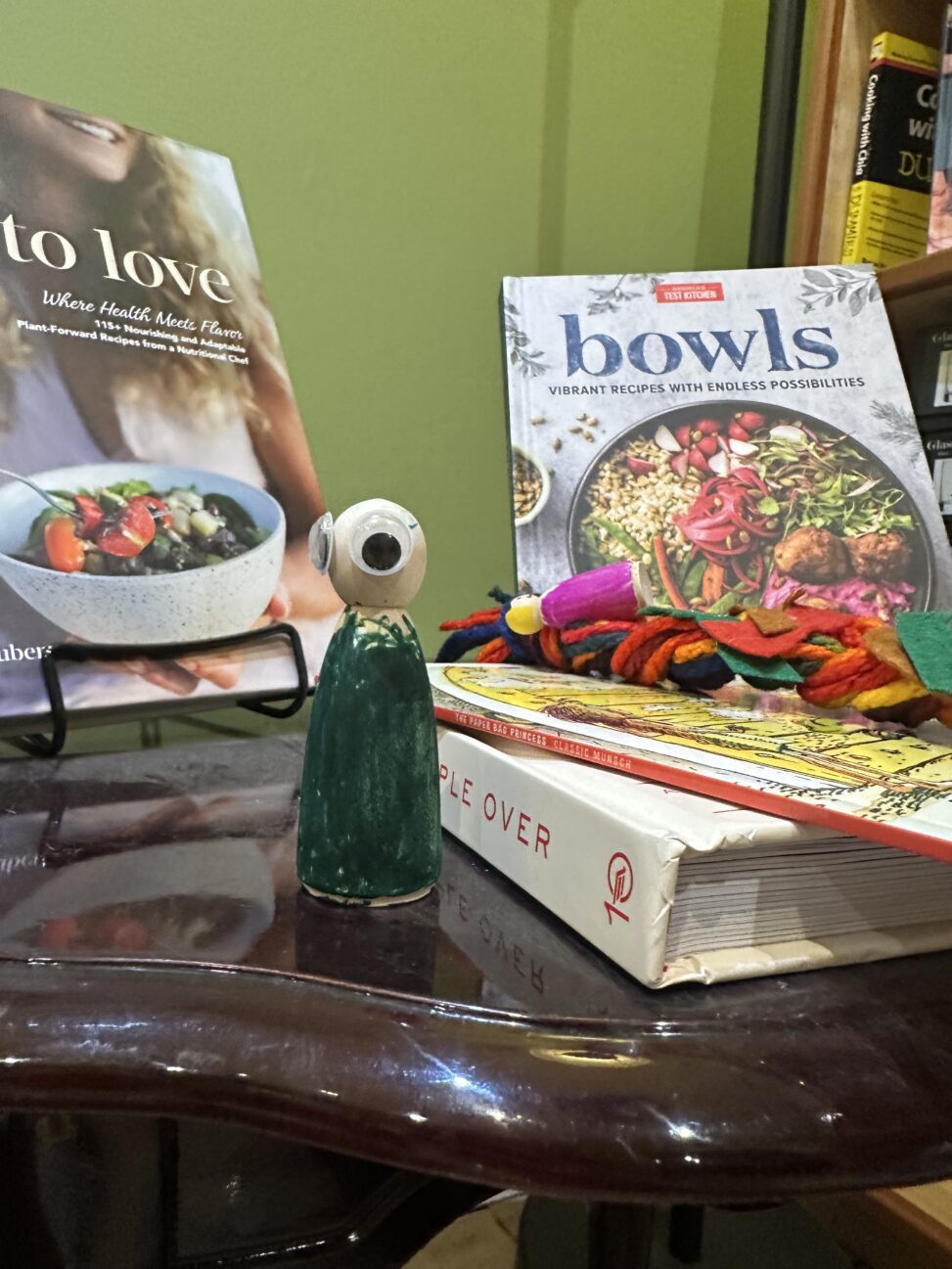
My class started prepping by finding a children’s picture book we wanted to create a story vine on. I chose the Paper Bag Princess by Robert Munsch. Then, we created our own story vines using braided yarn and craft supplies. The stickiest part for me was choosing what I wanted to include for artifacts. There are so many great options in the book to choose from. For example, the book mentions horse bones left over from the fire. I personally would have never thought to create horse bones as an artifact, but many of my peers did!
Working With Students
Day One
The first day, we all met at our local book store Huckle Berry Books, where the wonderful staff created a space for us to do our activities! We started the activity by breaking into small groups of 5-6 grade 2/3s and 4-5 student teachers and read The Paper Bag Princess by Robert Musch in celebration of Paper Bag Princess Day, March 7th. After reading the picture books, we explained story vines to the students once more (their teacher front-loaded the project before they came to the bookstore) and showed the students our story vines we created the previous week. Each student was then given a planning sheet where we had to create six quadrants to plan six artifacts. After we approved their planning, they went to the supplies table and grabbed yarn, rope, markers, felt, and we prepped the hot glue guns. We spent the remainder of the time helping students create their story vines.
Day Two
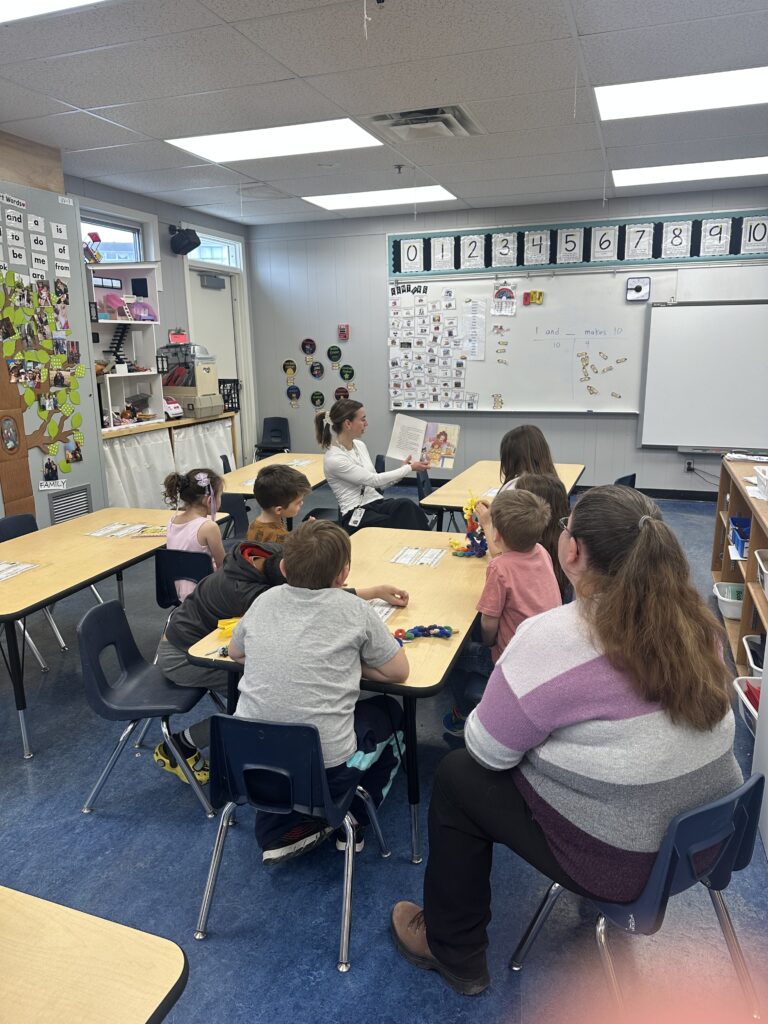
The following day, the student teachers met our grade 2/3s at their elementary school. As a group, we reread the story once more before we created groups with the grade 2/3s, the teacher candidates, and the two kindergarten classes. Each group had around 4-5 kindergarteners, 3-4 grade 2/3s and 3-4 student teachers. The focus of the activity was for the grade 2/3s to share and retell the story to the kindergarteners. The activity was so much fun! Every student in my group was able to clearly retell the events using their story vine artifacts. However, most students focused on sharing their artifacts rather than telling a story through their artifacts. The Kindergartens were so intrigued by the vines- they loved to look, touch and feel the story vines, adding a sensory element to the vines. After, we read three Robert Munsch books to all the students in our group!
British Columbia Connections
Grade 2 and 3
Big Idea- Language and story can be a source of creativity and joy.
Curricular Competencies- Recognize the structure and elements of story. Explore oral storytelling processes.
Content- Elements of story. Reading strategies. Oral language strategies.
Bright, R. (2021). Sometimes reading is hard : Using decoding, vocabulary, and comprehension strategies to inspire fluent, passionate, lifelong readers. Pembroke Publishers, Limited.
I am currently located in Cranbrook, British Columbia. When I do a land acknowledgement, I am recognizing that I am on the unceded territory of the Ktunaxa People. Doing a land acknowledgement recognizes the Indigenous People that are Native to the place I live, work and go to school. Land acknowledgments should not only recognize but also celebrate the Indigenous People’s of Canada while still recognizing Canadians’ responsibility to enact reconciliation in their daily lives.
Tokenism
In some situations, a land acknowledgment becomes a box to check and a memorized script that is repeated in the mornings. However, the First Nations Health Authority discusses how to make land acknowledgments meaningful. And some may ask, “Why?” For teachers, it is our duty to ensure every student feels safe, welcomes, and seen in their classroom. University of Victoria teacher competency number 6 explains that we are responsible for demonstrating respect, specifically to our Indigenous learners. Doing a scripted land acknowledgment once a day in the morning doesn’t show we care; it highlights that a land acknowledgement is something we can brush through.
College of the Rockies serves the communities of the East Kootenays. All of the College’s campuses are located in the traditional territory of the Ktunaxa people which is also home to the Kinbasket people. Five First Nations bands are located in the regional boundary of the College: Four of which are Ktunaxa and one is Shuswap. Additionally, the College partners with the Kootenay Regional Office of the Métis Nation, BC. We are thankful for all our Indigenous partners and continually seek new ways to support the development of our community. – College of the Rockies
Going Beyond
During my practicum, I want to create a land acknowledgment with my class and post it in the room. Where I would start with students creating land acknowledgements in small groups on chart paper, then coming together to create one unified land acknowledgement on poster paper and hang it in our classroom. My second goal is to take the time before lessons to share a land acknowledgment so that my class does more than one acknowledgment in the morning. Most importantly, I will continue reading books (which I shared in my last post) and having conversations to further my education.
We acknowledge and respect the lək̓ʷəŋən peoples on whose traditional territories the university stands and the Songhees, Esquimalt and the W̱SÁNEĆ peoples whose historical relationships with the land continue to this day. We acknowledge that the University of Victoria’s East Kootenay Teacher Education Program resides on the traditional territory of the Ktunaxa Nation. -University of Victoria
“How do I Indigenize a lesson?” is a question I have had since I started my journey in becoming a teacher. At first, I imagined that Indigenizing my teaching meant adding in Indigenous elements such as sharing circles and planning lessons to be outside. Throughout my time in this program, I have realized Indigenization is so much deeper and starts with my relationships.
Today, I had a guest speaker come into my class and discuss weaving Indigenous content into teaching authentically, and she started by having us connect to our relationship with the land and our place. I focused on my journey to Cranbrook and explained my excitement to create a deeper connection to the community now that I am building my future here. After, we continued discussing weaving Indigenous stories to build a relationship between students, their personal identities, and cultural Identities.
After leaving class, I understand that to teach Indigenous worldviews meaningfully, I must first understand the context of the territory I am on and acknowledge the Indigenous People’s who live here now and the generations before me. I grabbed a quote from the Indigenous Enhancement Agreement earlier “The opportunity to share our cultures with friends through school-wide activities and events, Access to our languages, Opportunities for all students to learn the history of Indigenous peoples, Opportunities to learn about Indigenous people today and current events,” which are wishes from our local Indigenous youth. As I discussed with my peers, all of these wishes involve teacher support. Therefore, in connection to my reflection, it is my role to Indigenize my teachings to support my students, so they feel safe, valued, seen, and embraced. Which connects to the University of Victoria teacher competency #6 practise respect for all learners from all cultures, including, specifically, Indigenous learners, because it is my duty to nurture my relationship with my Indigenous students to provide them with all the wishes in the Indigenous Enhancement Agreement.
I really enjoyed having a guest who is a teacher in the community right now. I gained a tremendous amount of insight in only having an hour with her. She gave us a great activity, “Who I Am” poems, which I am excited to bring into my practicum class, because after listening to her explain the importance of celebrating our stories and being key to our relationship to land and place, I believe it is a great first step to supporting my Indigenous students.
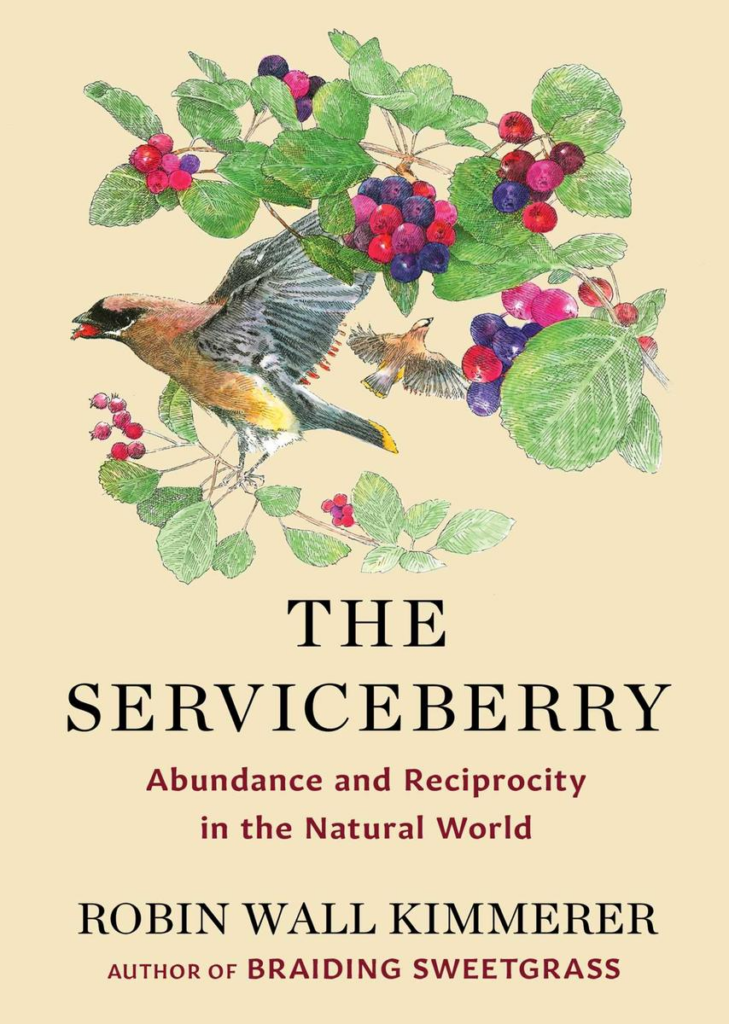
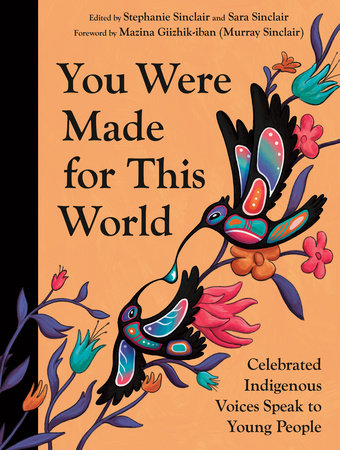
Some books on my to-read list to continue my education are…
Have you ever been inside an elementary school without a library? I have. In that school, teachers were responsible for building classroom libraries from scratch. The priority quickly became filling shelves with books rather than thoughtfully considering which books were being placed and still, book choice matters.
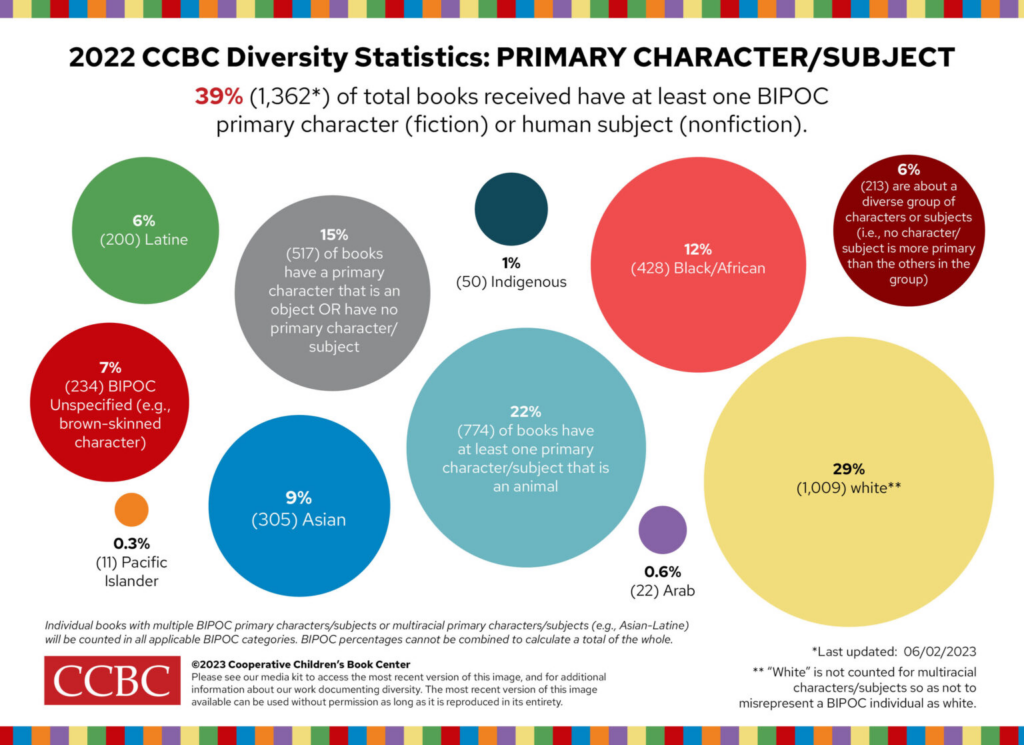
Reality is, Canadian education is underfunded across Canada. Though teachers face the reality that they may have no control over what goes in their school library or the responsibility of having total control (including the cost) of their class library, it is important to know that the data (shown below from the Cooperative Children’s Book Center) show book choice is important.
Data from The Cooperative Children’s Book Center (linked above) shows that books featuring Indigenous, Black, and other racialized communities remain disproportionally underrepresented in children’s literature. When classroom shelves do not reflect diversity, the message shared is that not all stories are valued.
“I dumped books by well-meaning white people who appropriated Indigenous lives and culture and created Native protagonists who were more objects of social studies than fully developed subjects. Think of it this way: when a story is written about a white child, the child is seen as an individual, so the Native child as individuated subject became the basis of my criteria for the collection.” (Harde, 2016)
As Roxanne Harde mentions in the quote above from her article Putting First Nations Texts at the Center (2016), texts chosen for a classroom need to be written by Indigenous authors to accurately represent Indigenous ways of knowing and living. Without doing so, your classroom library loses its purpose to be a space that represents all of your students and prioritizes tokenism over authenticity.
Books I Would Include In My Classroom Library
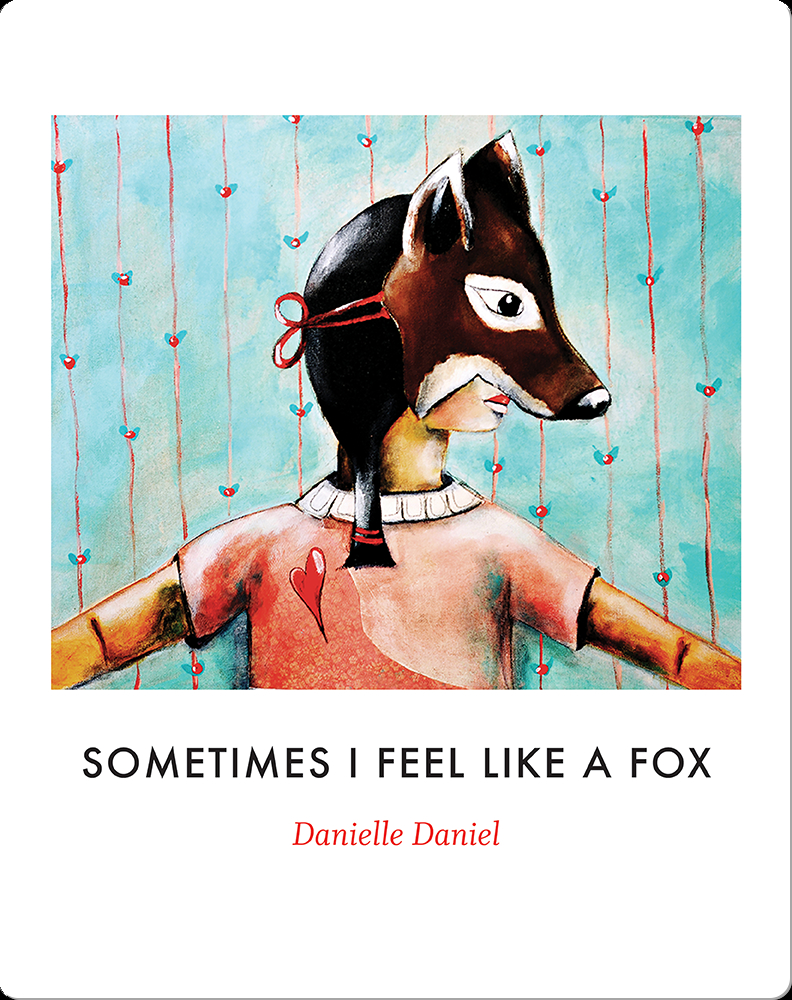
Sometimes I Feel Like a Fox by Danielle Daniel
Sometimes I feel Like a Fox is a children’s picture book that introduces Anishinaabe animals. The book uses simple, short, student-friendly language, with the reader explaining why they feel like the animal on the page. Students have the opportunity to explore animals like a beaver, turtle, fox, and more. I used this book for a drama activity with my grade 4 class, and the students loved this book for the illustrations and the ability to connect with the animals in the book.
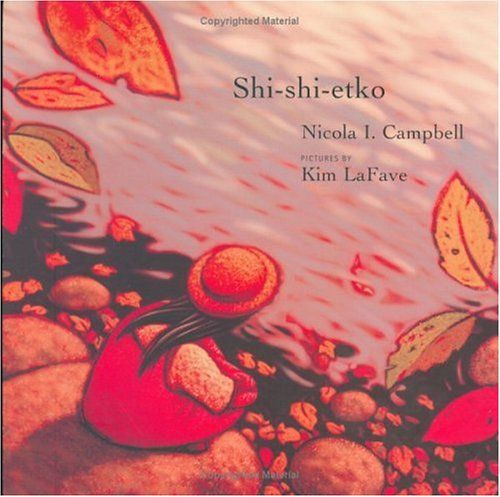
Shi-shi-etko by Nicola I. Campbell
Shi-shi-etko was mentioned in Roxanne Hart’s article Putting First Nations Texts at the Center (2016) (mentioned earlier). “Shi-shi-etko just has four days until she will have to leave her family and everything she knows to attend residential school. She spends her last precious days at home treasuring and appreciating the beauty of her world — the dancing sunlight, the tall grass, each shiny rock, the tadpoles in the creek, her grandfather’s paddle song. Her mother, father, and grandmother, each in turn, share valuable teachings that they want her to remember. Shi-shi-etko carefully gathers her memories for safekeeping.” (CBC, 2021)
“Reading, then, becomes a means of self-affirmation, and readers often seek their mirror in books.” (Hard, 2021)
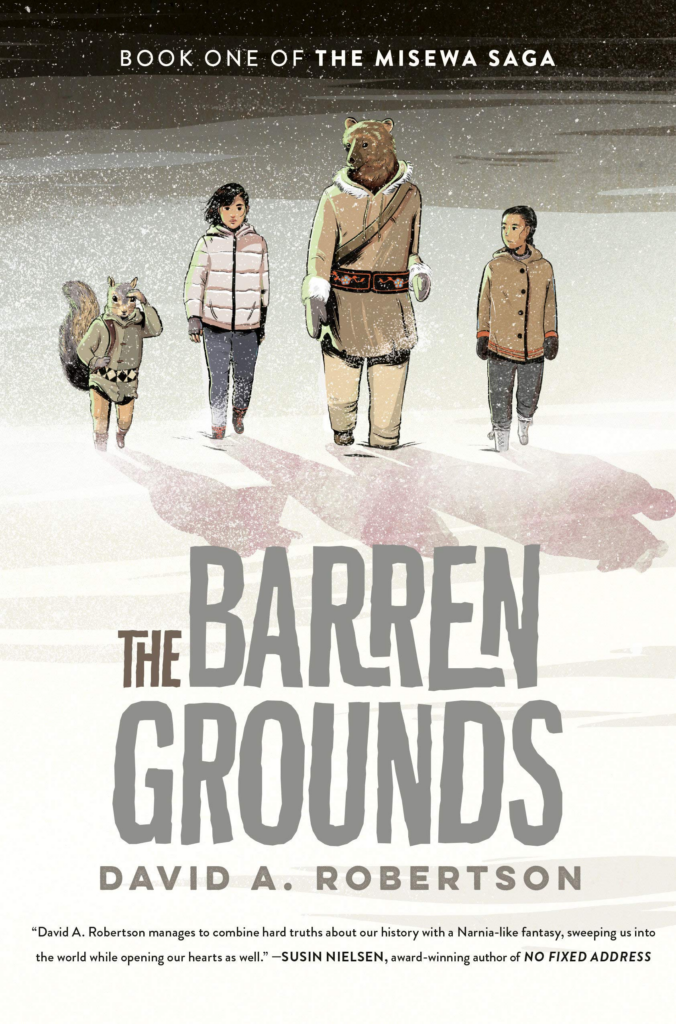
The Barron Grounds by David A. Robertson
“Morgan and Eli, two Indigenous children forced away from their families and communities, are brought together in a foster home in Winnipeg, Manitoba. They each feel disconnected, from their culture and each other, and struggle to fit in at school and at their new home — until they find a secret place, walled off in an unfinished attic bedroom. A portal opens to another reality, Askí, bringing them onto frozen, barren grounds, where they meet Ochek (Fisher).” (Goodreads, 2020) I currently am planning a unit around this novel for my grade 5/6 practicum class!
Bright, R. (2021). Sometimes reading is hard : Using decoding, vocabulary, and comprehension strategies to inspire fluent, passionate, lifelong readers. Pembroke Publishers, Limited.
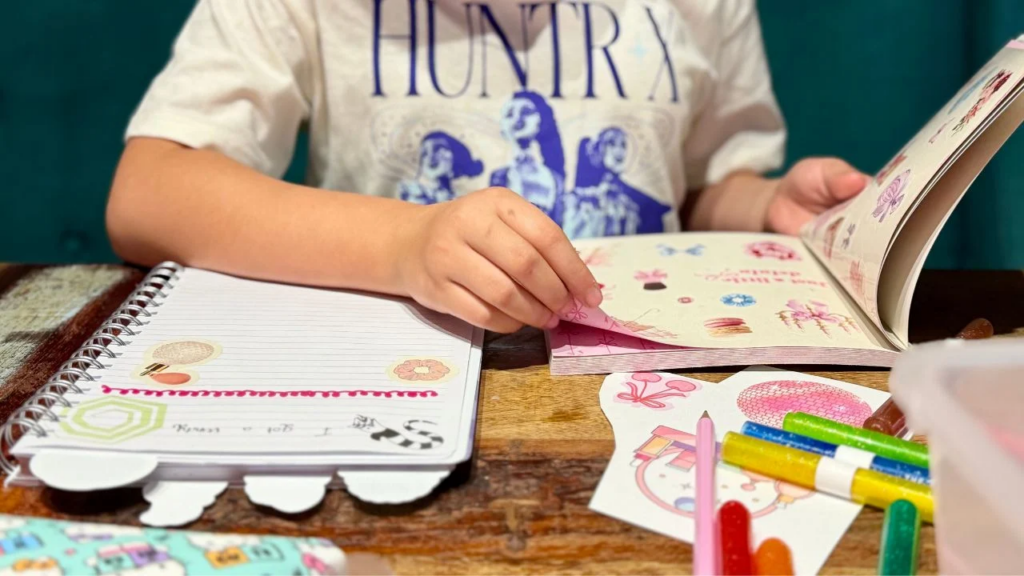
I am currently working on a plan where I have students create junk journals. Junk journals are similar to portfolios. However, the students have the opportunity to decorate the portfolio how they would like, using materials that are left over from class activities instead of expensive craft supplies.
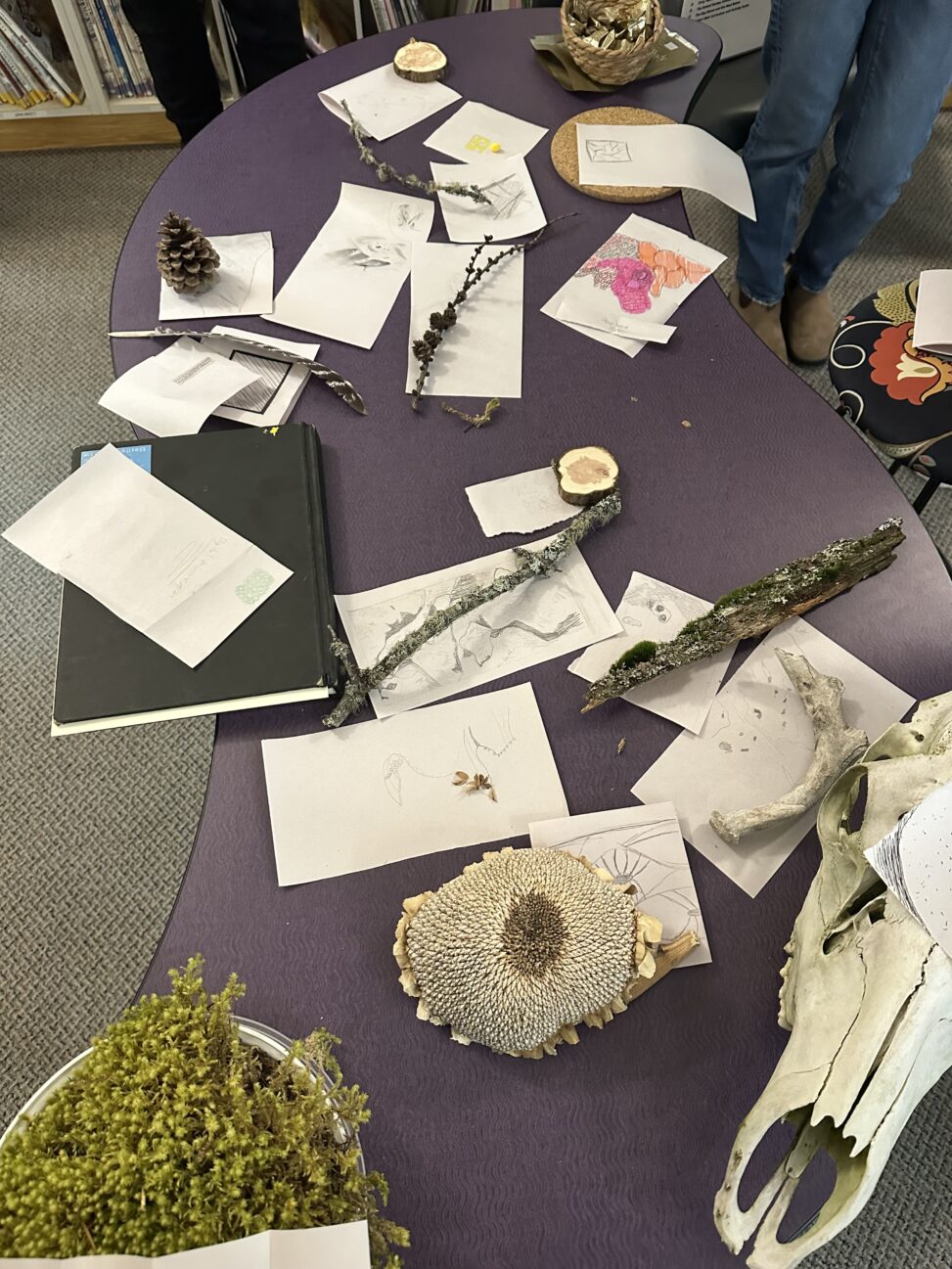
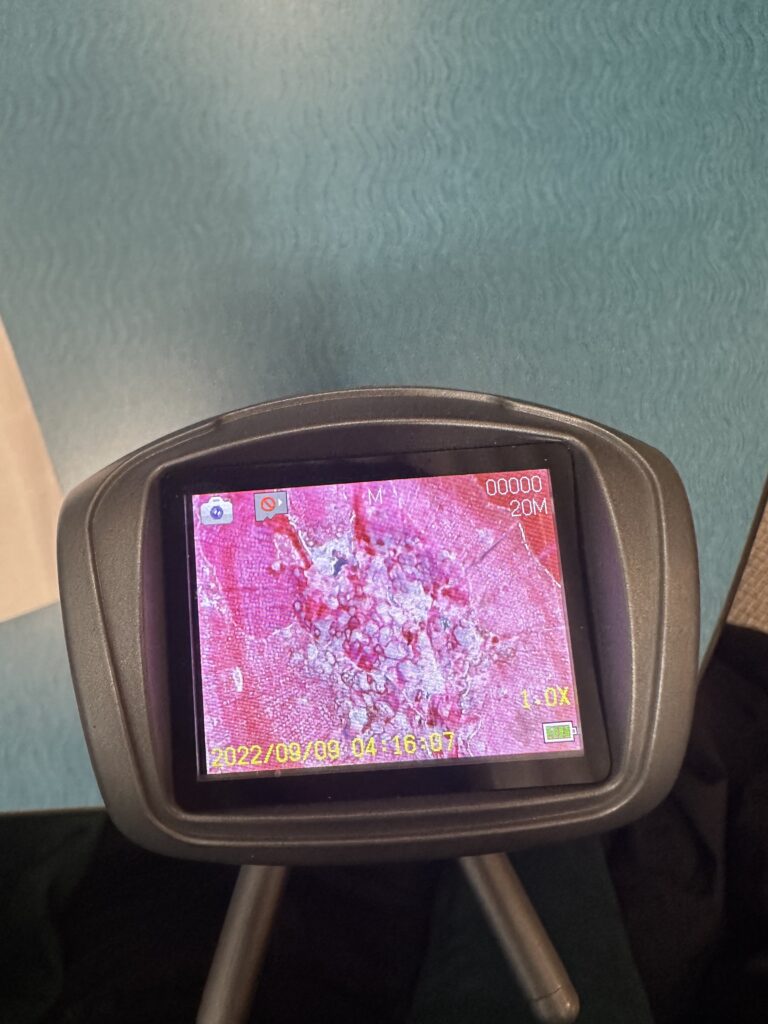
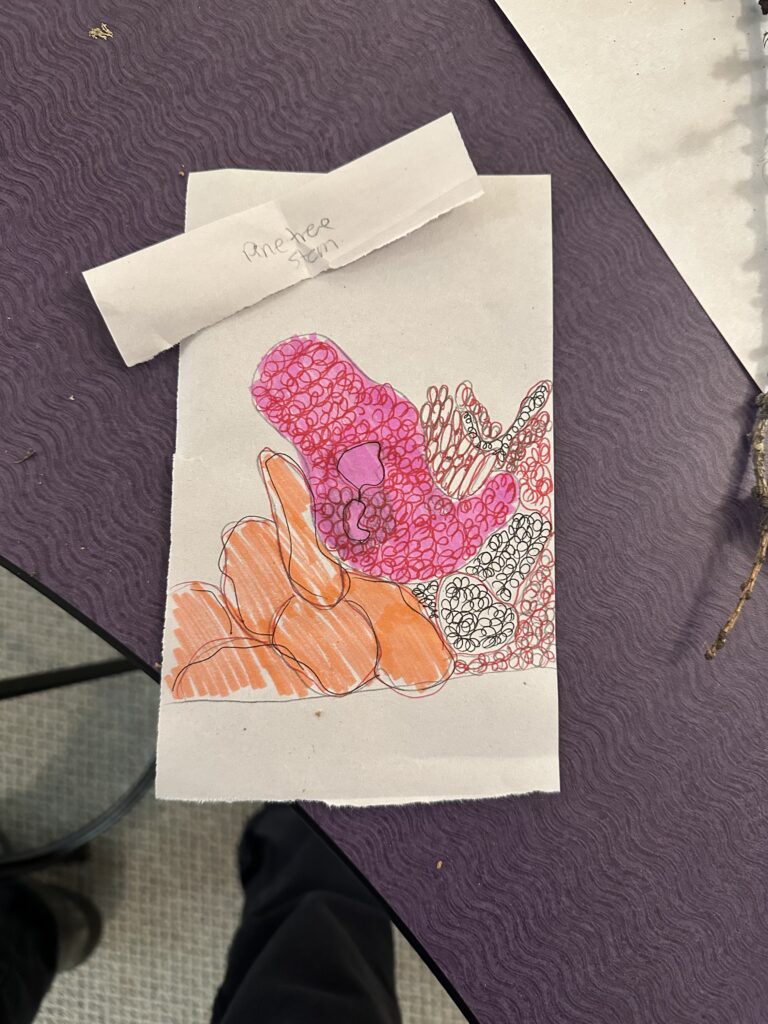
After the microscope activity, I had some papers left over from drawing what I saw in the microscope. I ended up recycling the paper, but later regretted it because it was something I wanted to keep in my portfolio at home. A few days later, I went into my practicum class and was wondering if classrooms keep all the students’ planning sheets, drawings, reflections, etc., and where they keep them? The reality is, no, not everything the students do in class is kept, and the papers that go home are often tossed as well, because having a million papers everywhere is too much.
My question is, how else can students’ work be saved without using materials that are expensive and take from our planet? My other concern is that only final projects are being saved and not all the work it took to create the final product. One alternative is digital work, of course, but apps like Seesaw usually still capture work that was done on paper. Sites like Google Docs, Word, and Canva are also great, but do not store students’ work forever or are often forgotten about. That is why I am going to give junk journaling a try in my next practicum because I want to save all the planning, questions, ideas, and discussions; They are important too! Meanwhile, the junk journal will be the final product that parents see. The journals will include images, reflections, planning, discussions, drawing, and brainstorming, all in one place. Check out a website I found breaking down junk journaling in classrooms (linked to the image below).
Other Names
It’s important to note that using the term “Junk Journals” could represent students’ work as “junk.” Of course, their work is not junk, but other names such as student portfolios, progress journals, and scrapbooking may be a more classroom-friendly term.