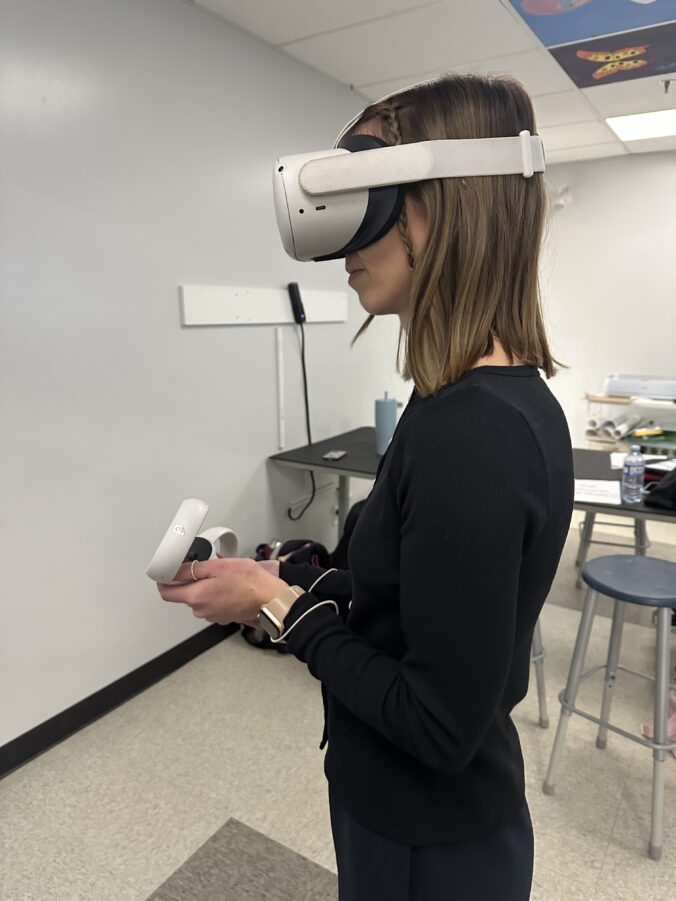
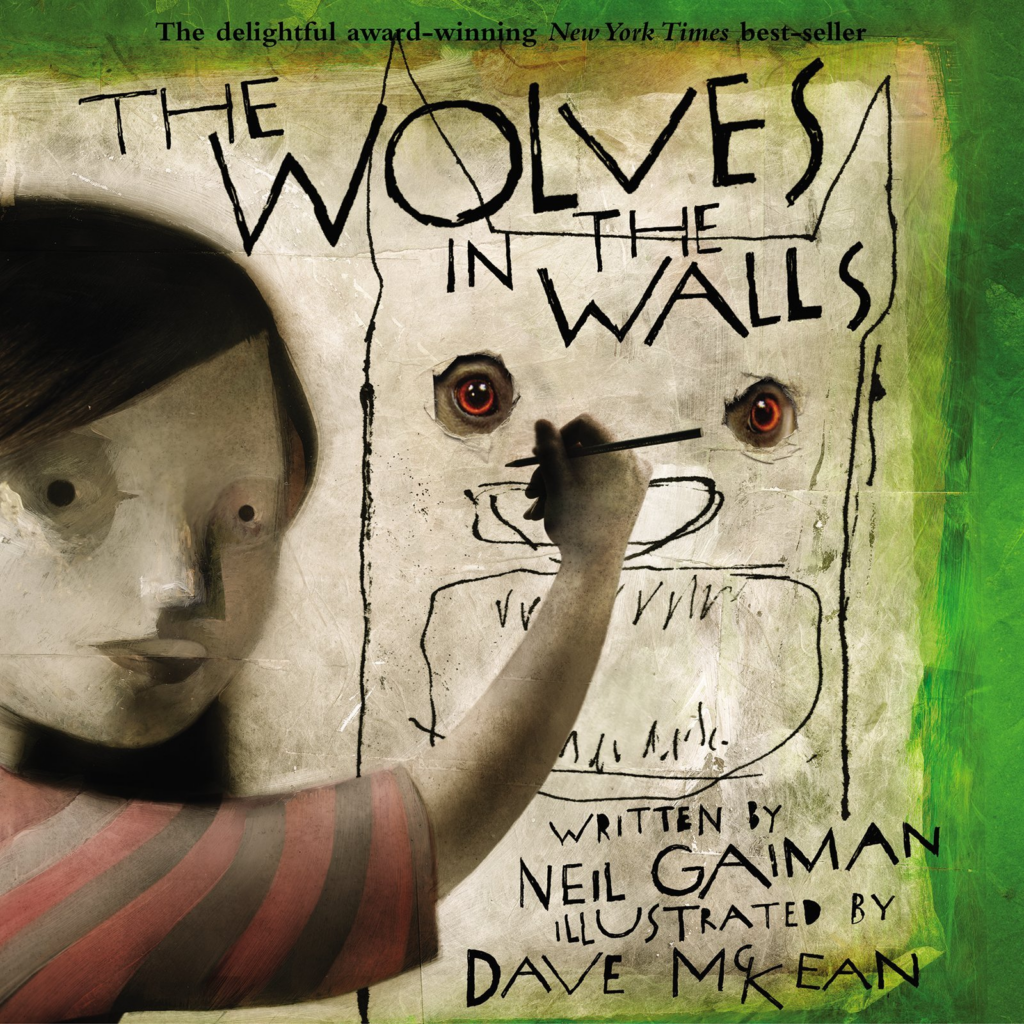
I recently had an amazing opportunity to use virtual reality technology with a local elementary class. The opportunity was led by my instructor and our district’s transformative learning teacher from the design lab. Before the session with the students, we practiced using the virtual reality headsets and went through the story The Wolves In The Walls by Neil Gaiman.
I have hyperlinked the book cover with a book summary!
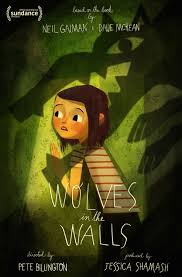
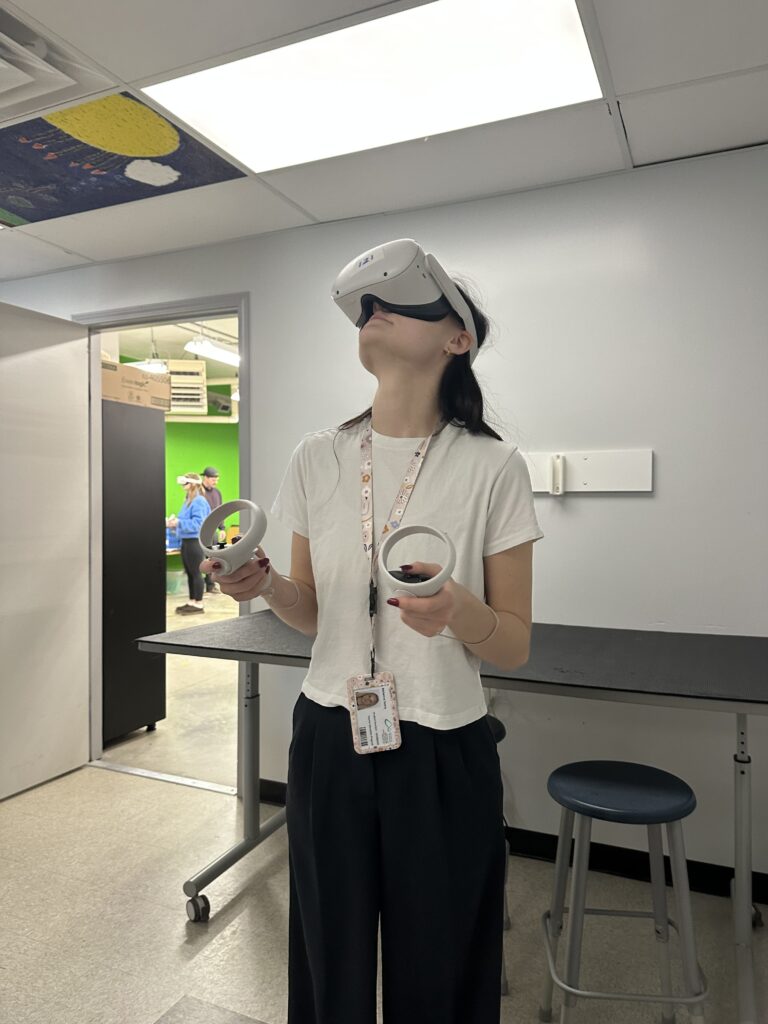
Last year, I created a drama lesson plan using the book The Wolves In The Walls, so I was familiar with the book. However, the opportunity to be immersed in the story using virtual reality made the story more intense and a little scarier. After practicing using the virtual reality goggles and controls, we took the experience into a classroom the following day. We started the class by having students break into small groups and read the picture book with teacher candidates. After, because our design lab has only 11 Virtual reality headsets, we also had booklets with literacy activities for the students to do while waiting for their chance to use the virtual reality headsets.
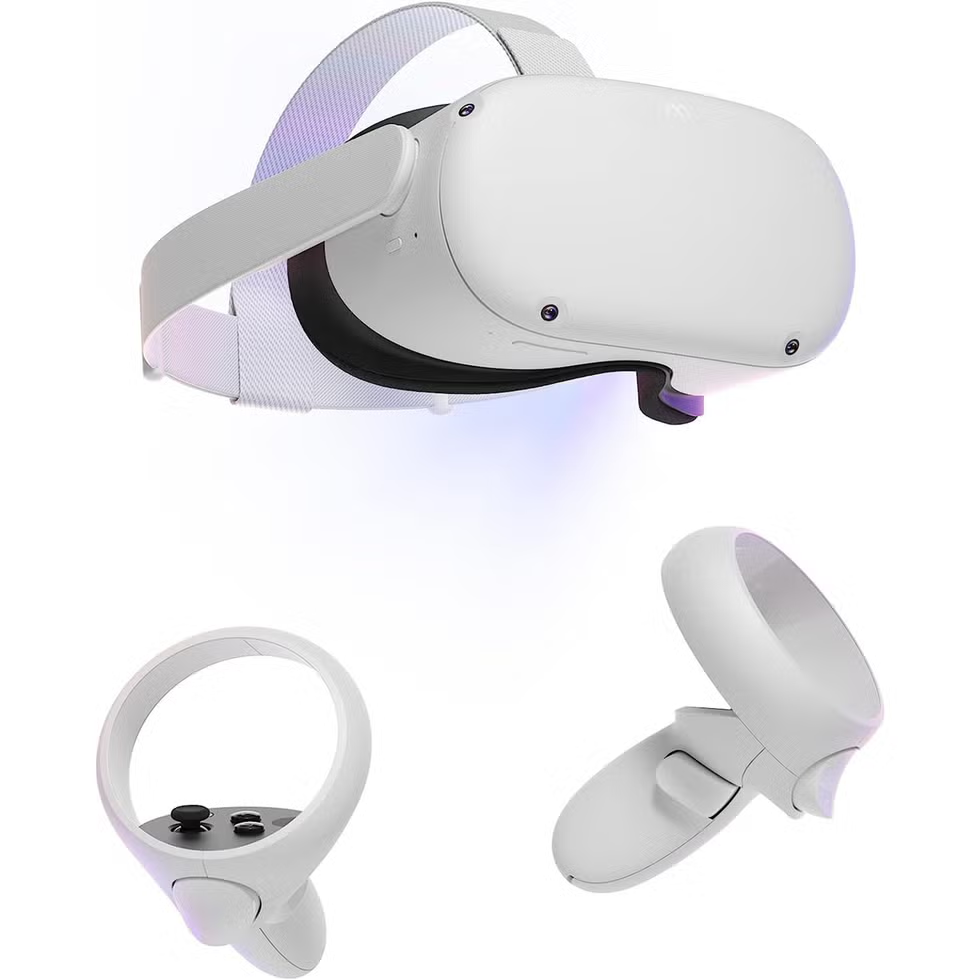
The students really enjoyed using virtual reality and most students had prior experience using the headsets. However, the stickiest part was fitting the headsets to each student’s head. If the goggles are a little too loose, it can be blurry, but if the headset is too tight, it can cause discomfort and headaches. When I use virtual reality in my future classroom, I will be sure to have multiple adults in the room to help fit the headsets because it is not the quickest task.
My favourite part of the experience was casting the headsets to an iPad screen to be able to see what the students were doing. This was not only helpful to be able to jump in and guide students with any help, but also allowed other students to watch and listen to the story while waiting for their chance to use the virtual reality headsets.
Connection to Curriculum
The Wolves in the Walls was not a read-along; however is was an interactive reading experience that aligns with the British Columbia curriculum under the English Language Arts and Applied Design, Skills, and Technologies curriculum.
Virtual reality supports student literacy and literacy engagement within texts. Not only did the student have the opportunity to listen to the physical book being read to them, but they also had the opportunity to be part of the book using virtual reality, and as seen in the In-situ experiences, the kids loved it! The students I worked with had better recall of what happened in the book than any other reading experience I have had thus far. Though not asked, I am positive the students would also be able to share the plot of the story, including climax, main characters, any character development and any other deeper thinking questions because of their engagement.
The British Columbia curriculum also includes competencies surrounding digital tools to increase student learning. Students not only had the opportunity to use the virtual reality headsets in a safe environment where they were able to explore how to use virtual reality safely, but also discover a new way to learn; that may work better for them than traditional learning styles. These days, many students watch gaming videos during their personal time, and it is important to bring students’ hobbies into the classroom, and virtual reality is a great way to blend students’ interests with the curriculum!