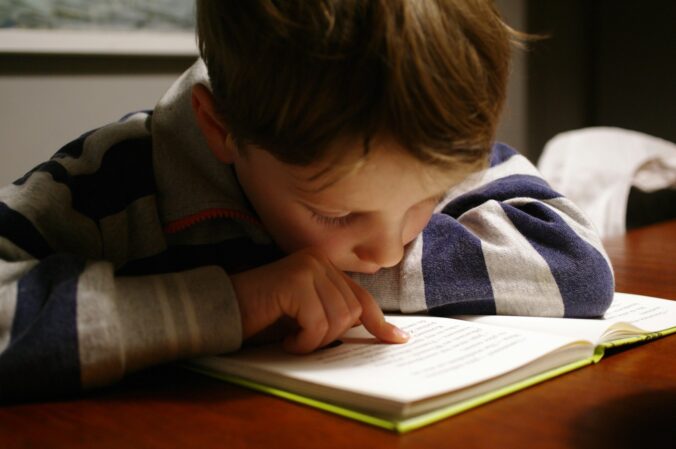
Have you ever been inside an elementary school without a library? I have. In that school, teachers were responsible for building classroom libraries from scratch. The priority quickly became filling shelves with books rather than thoughtfully considering which books were being placed and still, book choice matters.
Reality is, Canadian education is underfunded across Canada. Though teachers face the reality that they may have no control over what goes in their school library or the responsibility of having total control (including the cost) of their class library, it is important to know that the data (shown below from the Cooperative Children’s Book Center) show book choice is important.
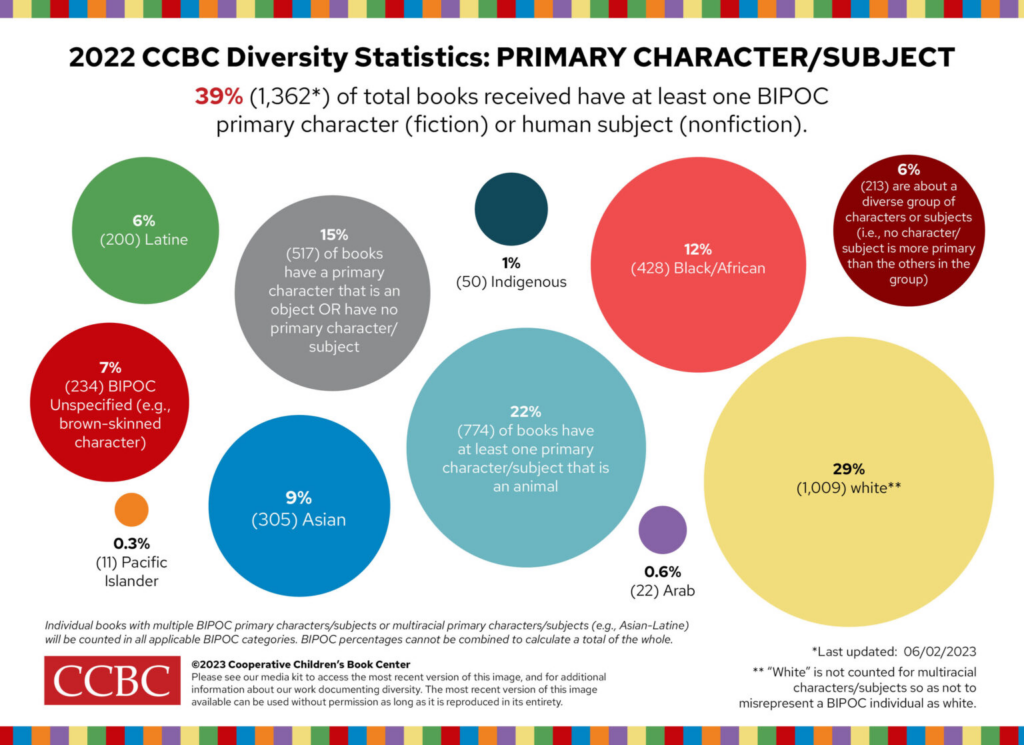
Data from The Cooperative Children’s Book Center (linked above) shows that books featuring Indigenous, Black, and other racialized communities remain disproportionally underrepresented in children’s literature. When classroom shelves do not reflect diversity, the message shared is that not all stories are valued.
“I dumped books by well-meaning white people who appropriated Indigenous lives and culture and created Native protagonists who were more objects of social studies than fully developed subjects. Think of it this way: when a story is written about a white child, the child is seen as an individual, so the Native child as individuated subject became the basis of my criteria for the collection.” (Harde, 2016)
As Roxanne Harde mentions in the quote above from her article Putting First Nations Texts at the Center (2016), texts chosen for a classroom need to be written by Indigenous authors to accurately represent Indigenous ways of knowing and living. Without doing so, your classroom library loses its purpose to be a space that represents all of your students and prioritizes tokenism over authenticity.
Books I Would Include In My Classroom Library
Sometimes I Feel Like a Fox by Danielle Daniel
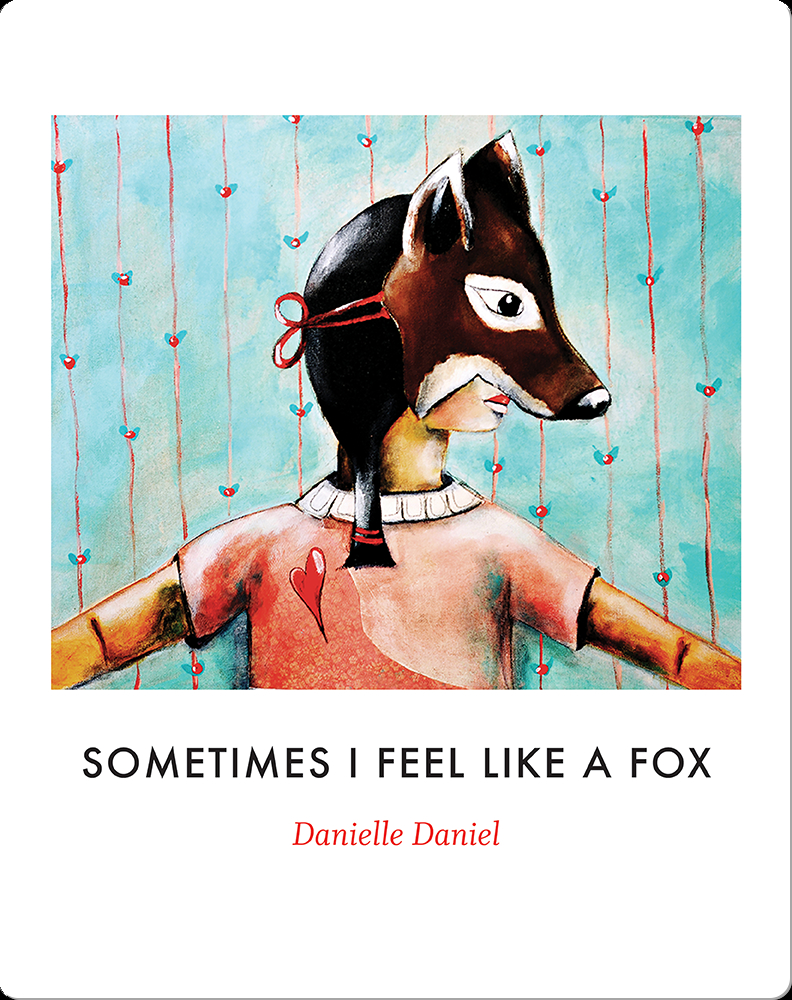
Sometimes I feel Like a Fox is a children’s picture book that introduces Anishinaabe animals. The book uses simple, short, student-friendly language, with the reader explaining why they feel like the animal on the page. Students have the opportunity to explore animals like a beaver, turtle, fox, and more. I used this book for a drama activity with my grade 4 class, and the students loved this book for the illustrations and the ability to connect with the animals in the book.
Shi-shi-etko by Nicola I. Campbell
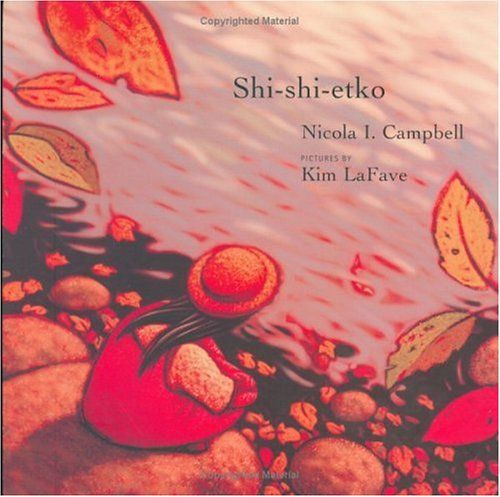
Shi-shi-etko was mentioned in Roxanne Hart’s article Putting First Nations Texts at the Center (2016) (mentioned earlier). “Shi-shi-etko just has four days until she will have to leave her family and everything she knows to attend residential school. She spends her last precious days at home treasuring and appreciating the beauty of her world — the dancing sunlight, the tall grass, each shiny rock, the tadpoles in the creek, her grandfather’s paddle song. Her mother, father, and grandmother, each in turn, share valuable teachings that they want her to remember. Shi-shi-etko carefully gathers her memories for safekeeping.” (CBC, 2021)
“Reading, then, becomes a means of self-affirmation, and readers often seek their mirror in books.” (Hard, 2021)
The Barron Grounds by David A. Robertson
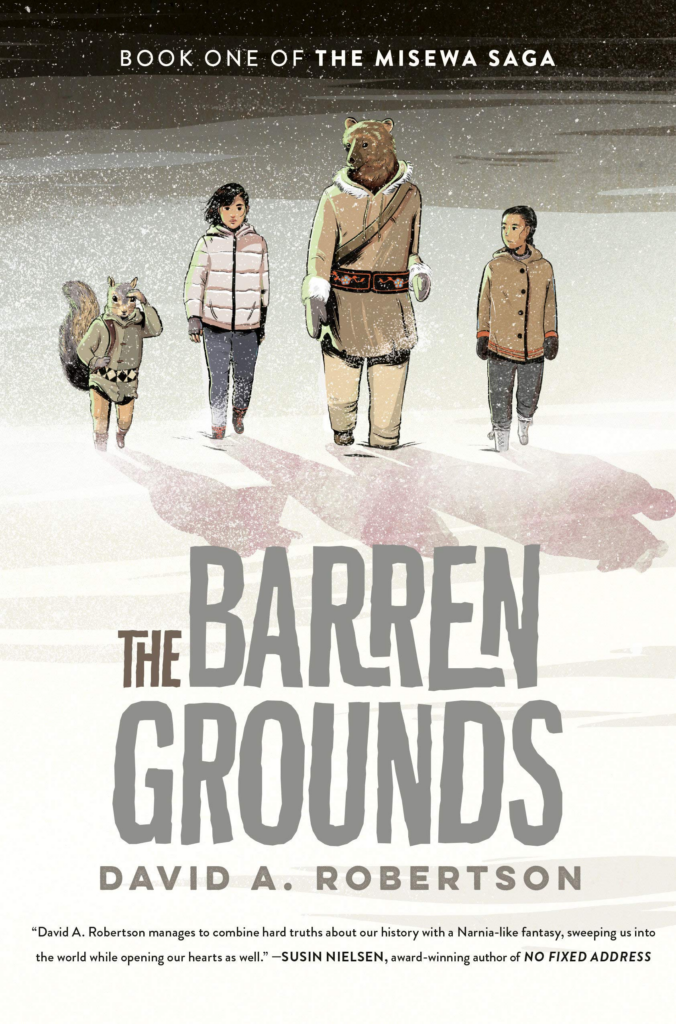
“Morgan and Eli, two Indigenous children forced away from their families and communities, are brought together in a foster home in Winnipeg, Manitoba. They each feel disconnected, from their culture and each other, and struggle to fit in at school and at their new home — until they find a secret place, walled off in an unfinished attic bedroom. A portal opens to another reality, Askí, bringing them onto frozen, barren grounds, where they meet Ochek (Fisher).” (Goodreads, 2020) I currently am planning a unit around this novel for my grade 5/6 practicum class!
Bright, R. (2021). Sometimes reading is hard : Using decoding, vocabulary, and comprehension strategies to inspire fluent, passionate, lifelong readers. Pembroke Publishers, Limited.
Provide Feedback
You must be logged in to post a comment.