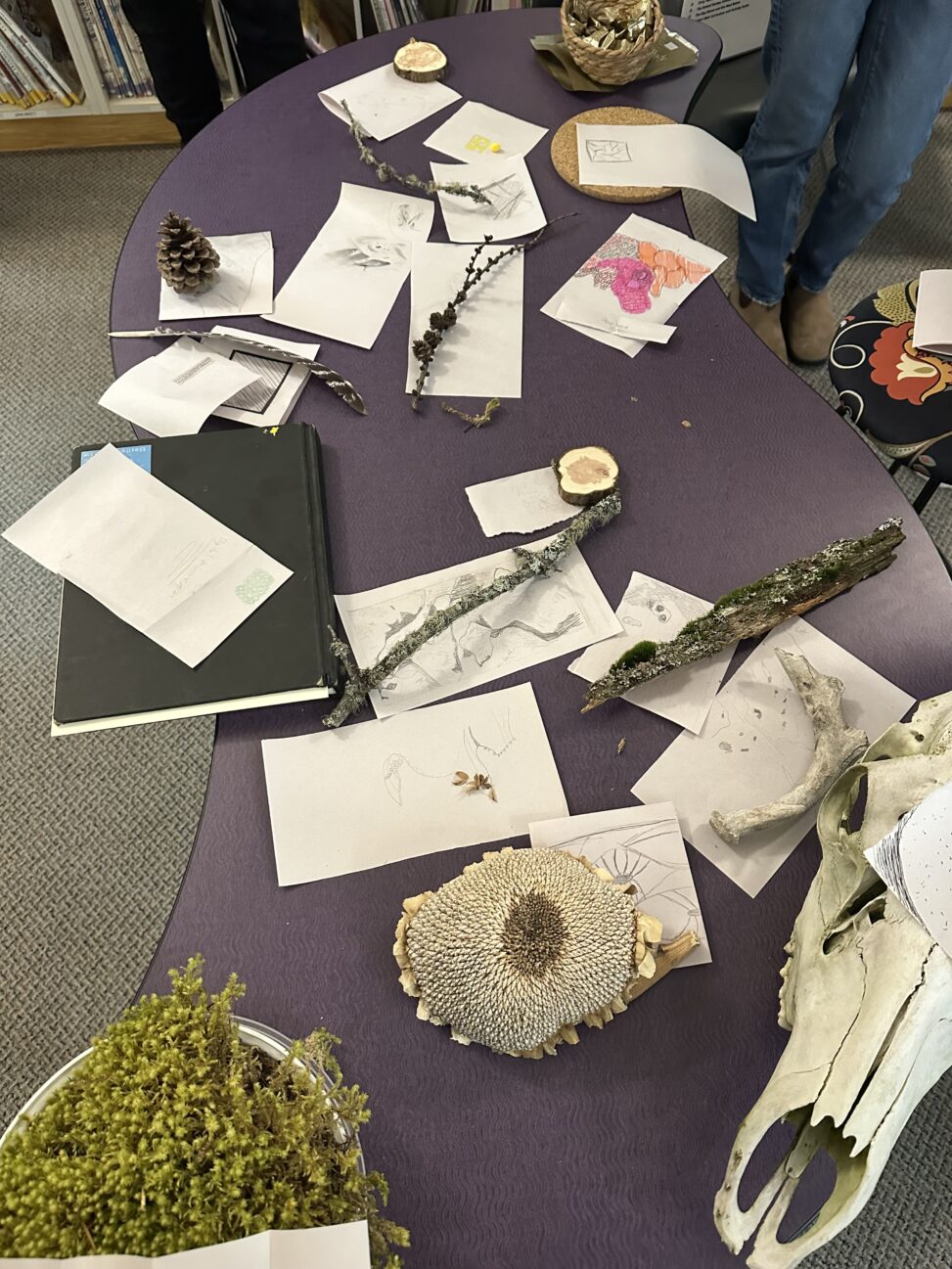
Draw What You See!
I am currently working on a plan where I have students create junk journals. Junk journals are similar to portfolios. However, the students have the opportunity to decorate the portfolio how they would like, using materials that are left over from class activities instead of expensive craft supplies.
After the microscope activity, I had some papers left over from drawing what I saw in the microscope. I ended up recycling the paper, but later regretted it because it was something I wanted to keep in my portfolio at home. A few days later, I went into my practicum class and was wondering if classrooms keep all the students’ planning sheets, drawings, reflections, etc., and where they keep them? The reality is, no, not everything the students do in class is kept, and the papers that go home are often tossed as well, because having a million papers everywhere is too much.
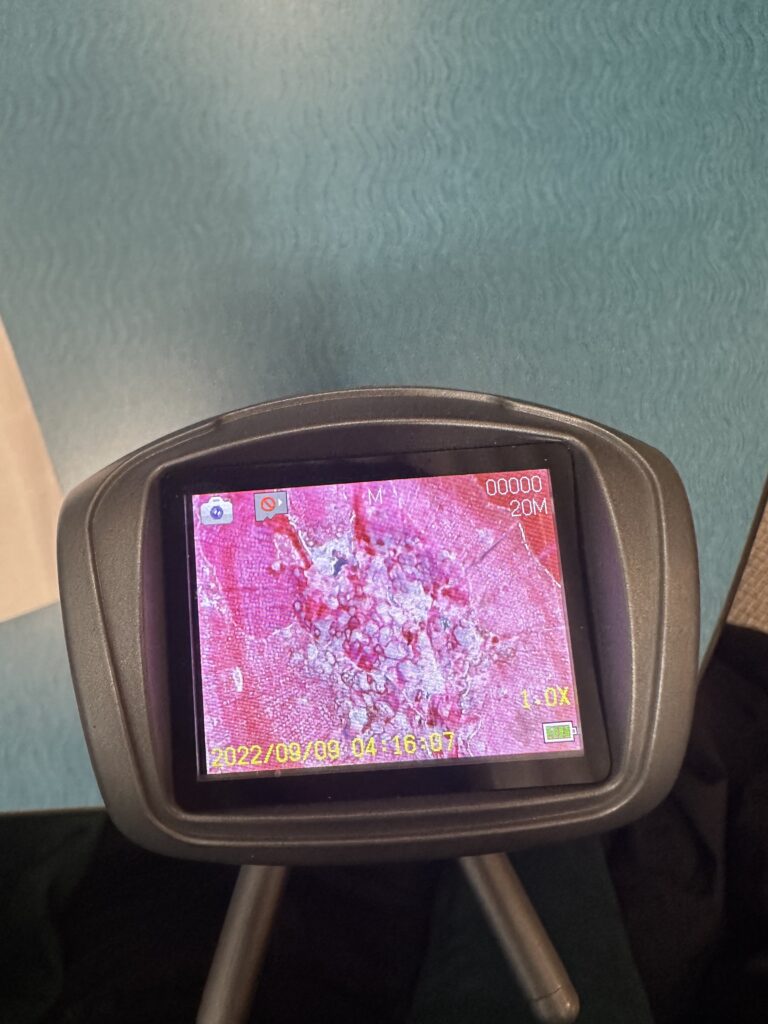
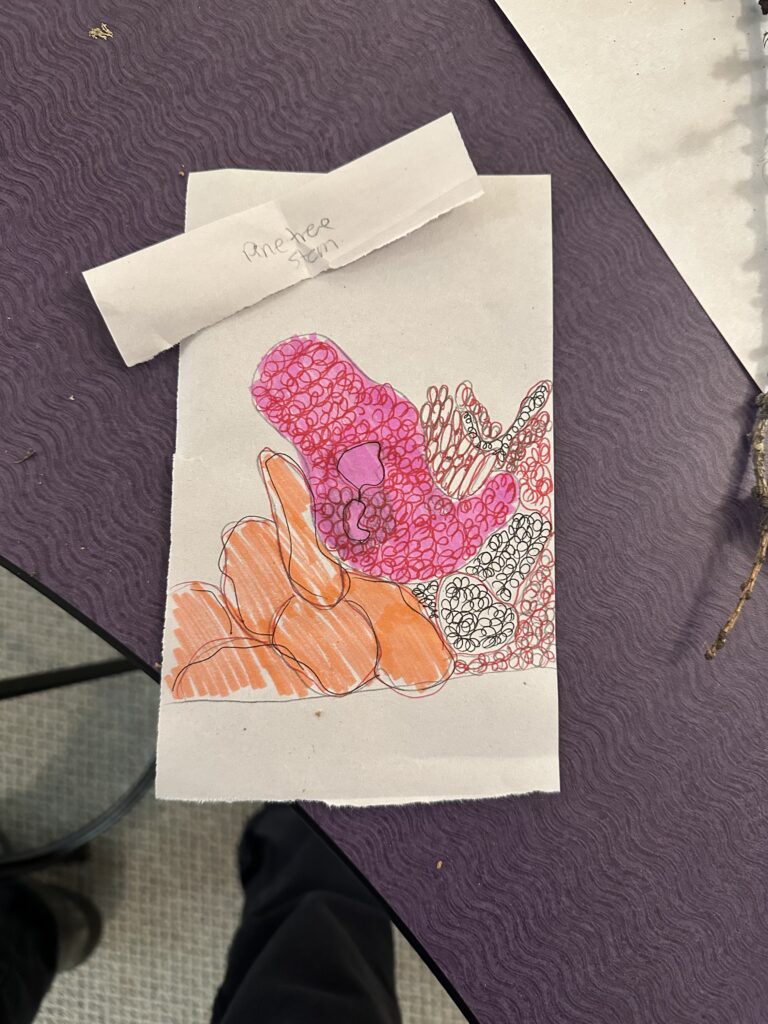
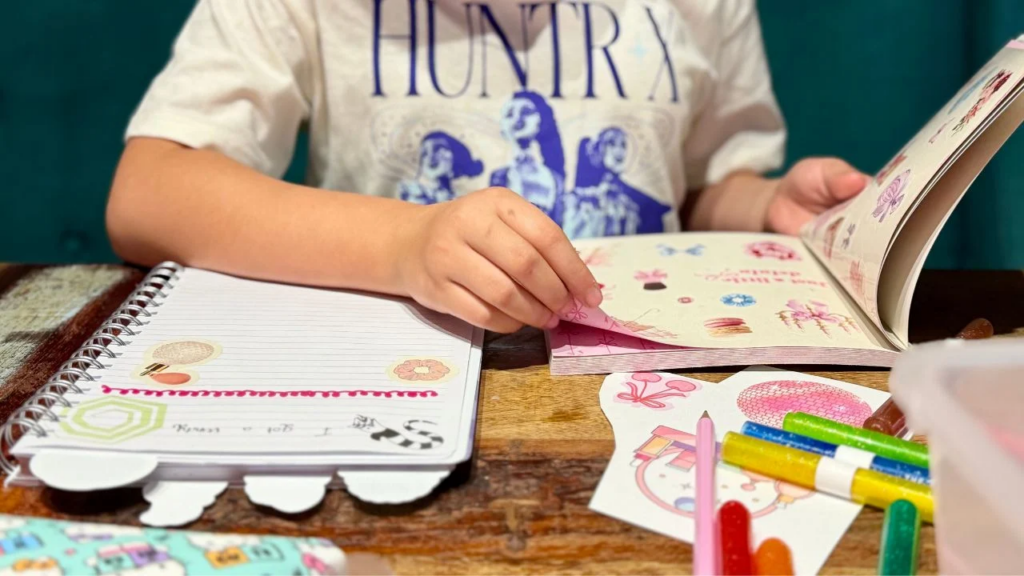
My question is, how else can students’ work be saved without using materials that are expensive and take from our planet? My other concern is that only final projects are being saved and not all the work it took to create the final product. One alternative is digital work, of course, but apps like Seesaw usually still capture work that was done on paper. Sites like Google Docs, Word, and Canva are also great, but do not store students’ work forever or are often forgotten about. That is why I am going to give junk journaling a try in my next practicum because I want to save all the planning, questions, ideas, and discussions; They are important too! Meanwhile, the junk journal will be the final product that parents see. The journals will include images, reflections, planning, discussions, drawing, and brainstorming, all in one place. Check out a website I found breaking down junk journaling in classrooms (linked to the image below).
Other Names
It’s important to note that using the term “Junk Journals” could represent students’ work as “junk.” Of course, their work is not junk, but other names such as student portfolios, progress journals, and scrapbooking may be a more classroom-friendly term.