
Tree Cookies
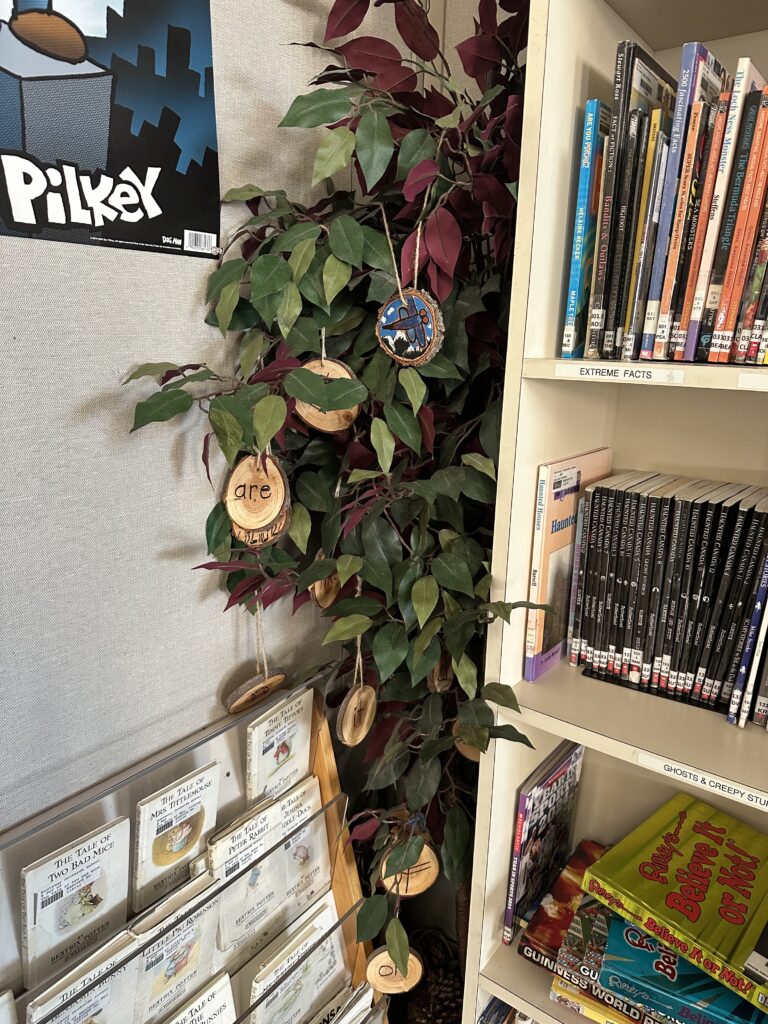
At the beginning of the course, my instructor gave each of us a small circular piece of wood (a piece of a small tree trunk) that had been cut. We call these tree cookies. Each student was asked to write their name on their tree cookie. Since then, our instructor has used the tree cookies to create groups, as a human barometer, and a tool to choose students to call upon.
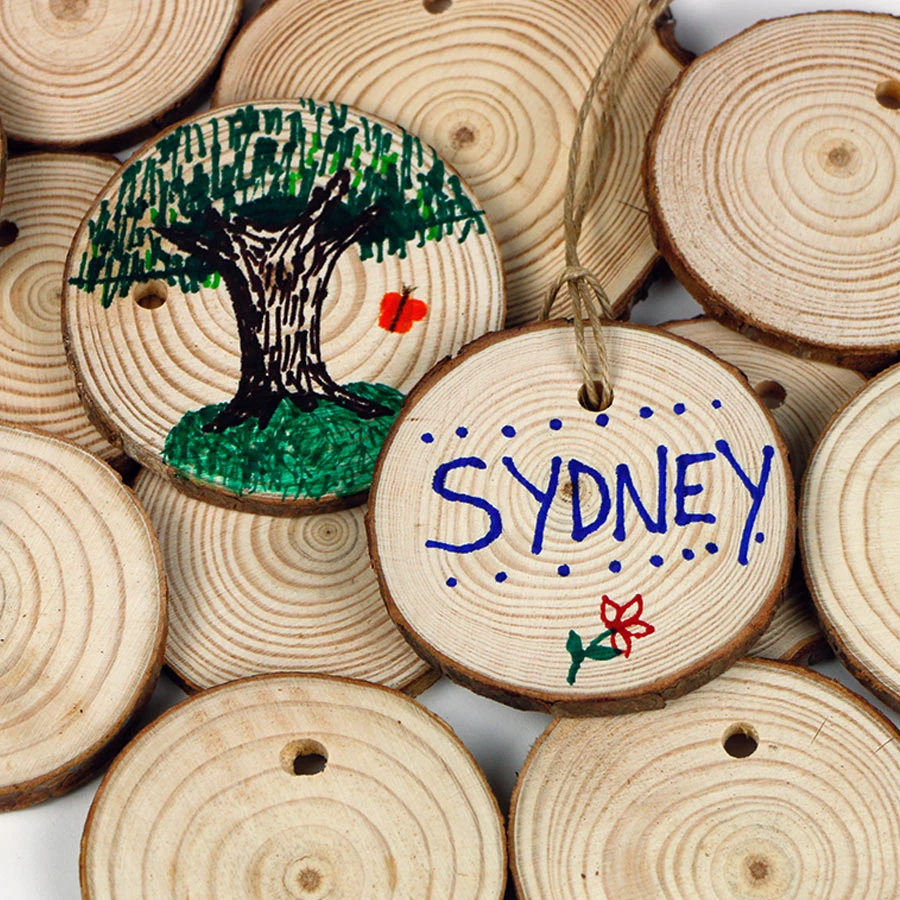
What I enjoy about using tree cookies is how something so small can mean so much. Tree cookies are usually created from old Christmas tree trunks and repurposed into something new.
Rather than a piece of paper, a popsicle stick or a photo from a bad hair day to use in the classroom, students get a piece of the tree to not only call their own but also to connect with the land.
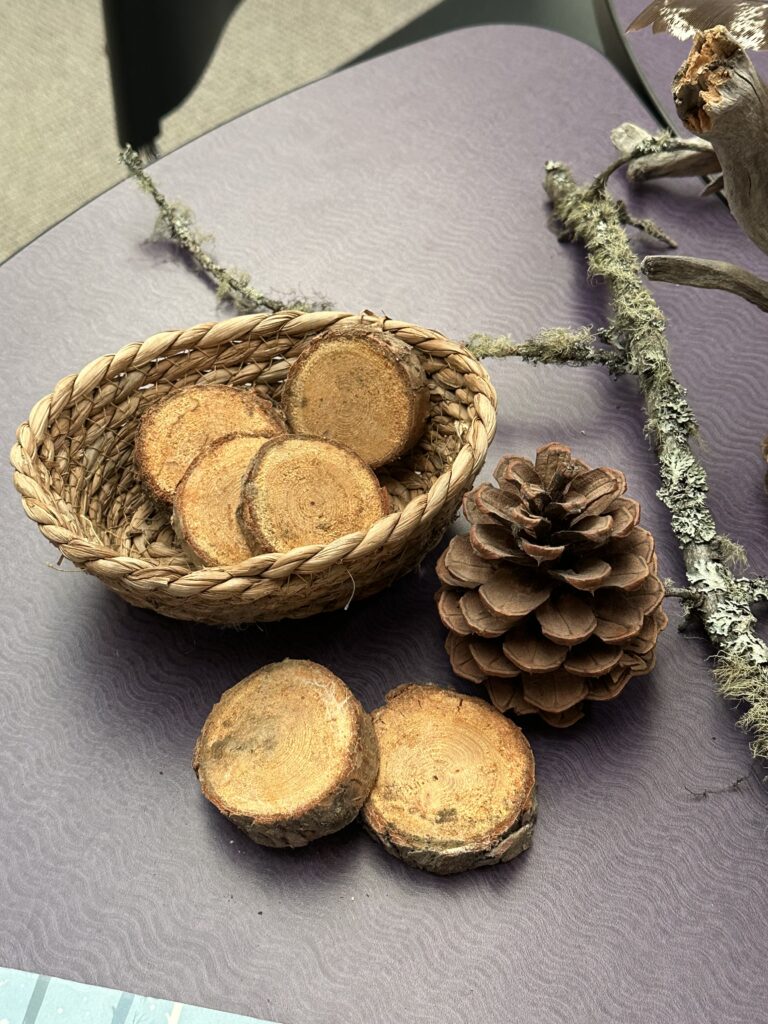
All grades in British Columbia discuss taking care of the planet. Tree cookies are a great example of recycling something old and finding a new purpose. Though some articles say “deforestation affects less than 0.02% of Canada’s forests each year” (Natural Resources Canada, 2016), we Cranbrookians know the real effects deforestation has on our communities, and it is important to highlight deforestation in classrooms.
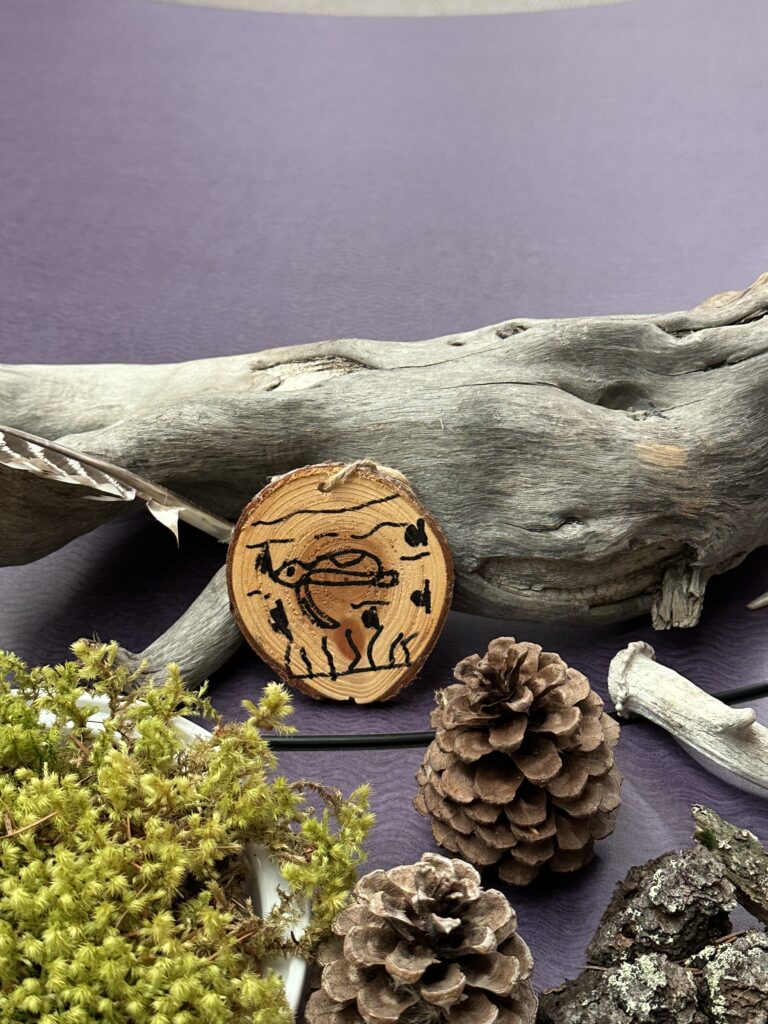
What excited me the most is that tree cookies not only connect to the curriculum but also to the First Peoples Principles of Learning. Where tree cookies help us connect to the land, our community and the people who were here before us. Trees also take many years to grow, which reminds us of the patience and time we need to succeed.
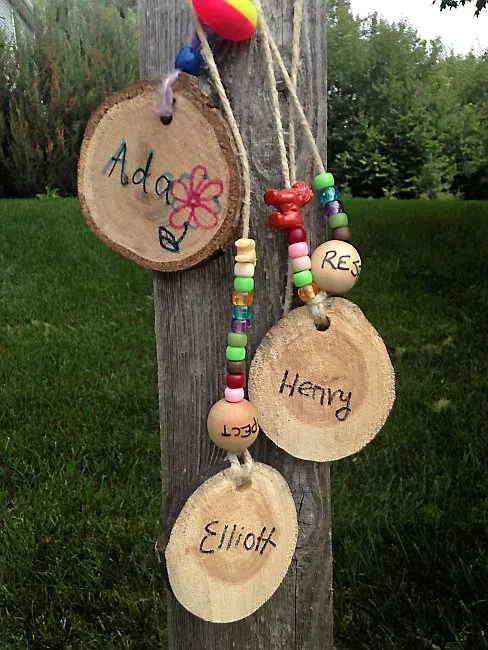
I started with tree cookies for my AHA moments because I realized how authentically they bring the forest into the classroom. Tree cookies are also inexpensive and readily available for student teachers like me. Tree cookies hold a lot of meaning and are great metaphors for climate awareness, Indigenous education, and self-reflection, all of which pertain to the British Columbia curriculum in all grade levels.
Reader Note:
- All images are hyperlinked for your access